
Big dogs need big beds. That may sound obvious at first, but in reality, there is far more to a dog bed for large dogs than just the dimensions.
Dog bed for large dogs
What really matters when it comes to comfort, size, and quality
Big dogs need big beds. That may sound obvious at first, but in reality, there is far more to a dog bed for large dogs than just the dimensions.
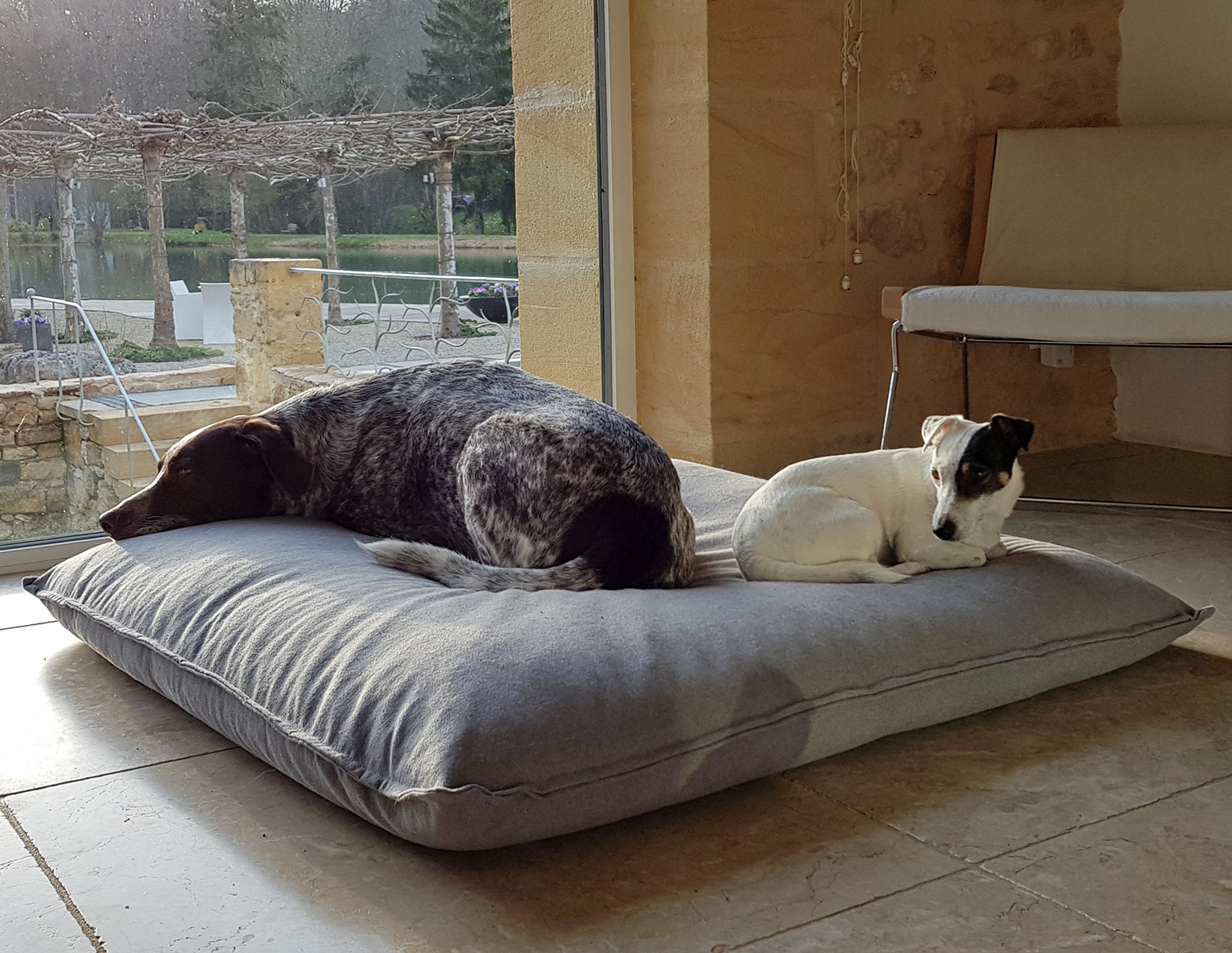
A peaceful stillness settles over this moment—two dogs, a soft cushion, and the comforting knowledge of not being alone.
Charlie & India – DIVAN Uno dog cushion in light grey cotton, 100 x 120 cm
Charlie and India are resting after the day’s exertions on their beloved dog cushion, featuring its new cotton cover.
Breeds such as Labradors, Golden Retrievers, Rottweilers, Weimaraners, Ridgebacks, German Shepherds, Bernese Mountain Dogs, and Great Danes place more than just extra weight on the sleeping surface. They also require ample space, a consistently supportive base, and a dog bed that retains its excellent sleeping qualities even with intensive daily use.
After all, large and heavy dogs need more than just a soft place to lie down. What matters most is a sleeping surface that comfortably cradles the body while providing reliable support.
That is why, at pet-interiors, we craft dog beds that combine orthopedic sleeping comfort, high-quality materials, durable construction, and timeless design.
Why large dogs have special requirements for their dog bed
The larger and heavier the dog, the greater the pressure exerted on its sleeping surface. If the filling is unsuitable or too thin, it can quickly compress, eventually leaving the dog lying almost directly on the floor.
A high-quality dog bed for large dogs should therefore combine several key features:
- ample space to lie down fully stretched out
- filling that remains resilient and supportive over time
- sufficient thickness of the sleeping surface
- high-quality, durable materials
- easy cleaning and maintenance
- long-lasting construction
- an aesthetic that complements a stylish living environment
Many dog owners are no longer willing to compromise on this last point. After all, a large dog bed is often placed right in the middle of the living room, making it an integral part of the home décor.
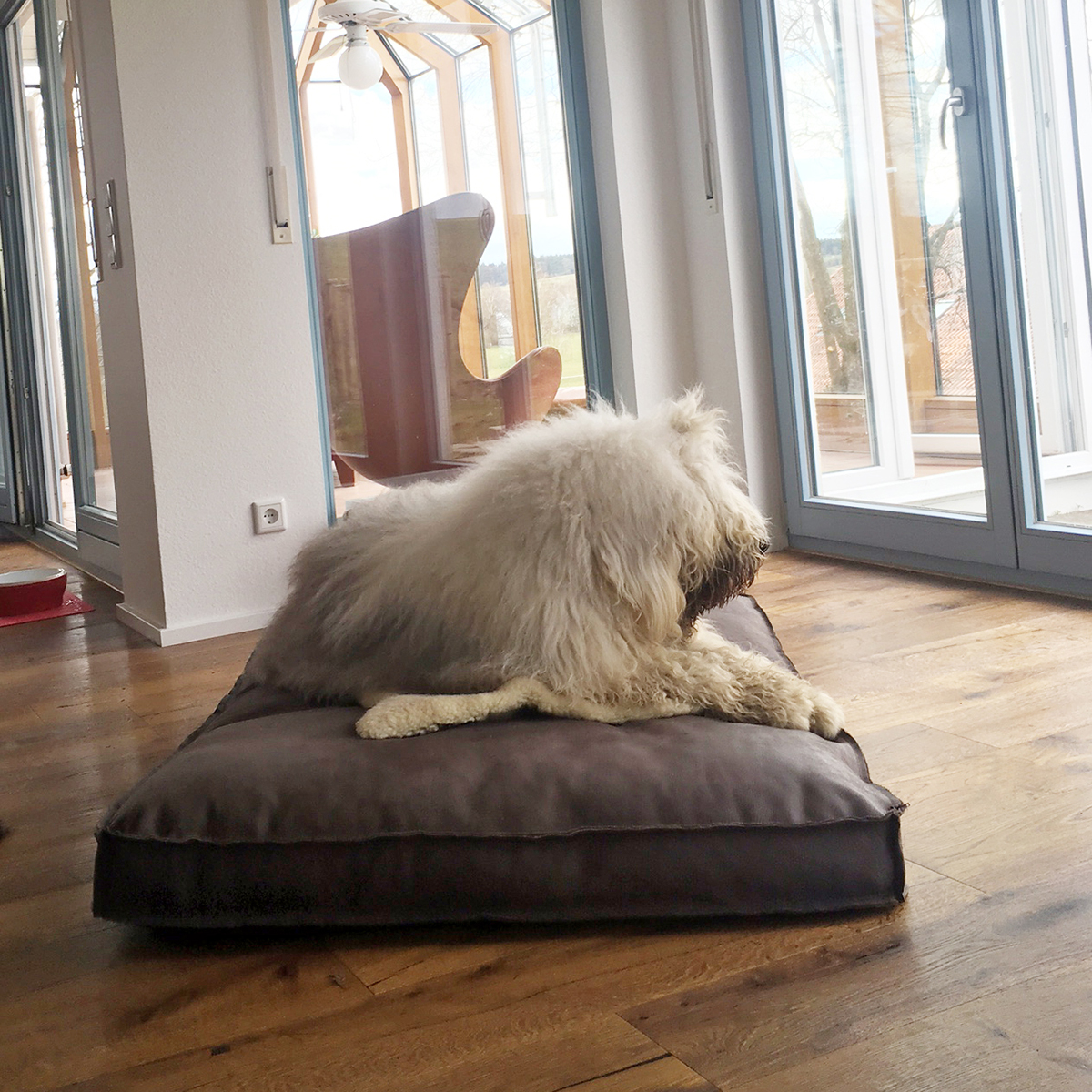
Bobtail Charlie – Buffalo leather dog cushion, custom size 100 x 120 cm
The leather dog bed turned out beautifully. Our large Bobtail, Charlie, is very, very comfortable in it.
How big should a dog bed be for a large dog?
A large dog should be able to lie comfortably on its side and fully stretch out on its bed without its head or legs constantly hanging over the edge.
That is why you shouldn’t choose a dog bed based solely on the breed; after all, two dogs of the same breed can have completely different body shapes.
It is best to observe your dog while it sleeps first:
Does it prefer to curl up? Does it make a little nest out of its cushion? Or does it like to stretch out fully?
These specific sleeping habits are just as important when choosing the right dog bed as size and weight.
And that brings us to two different sleeping options from pet-interiors.
DIVAN UNO – the orthopedic dog cushion for those who love it cozy.
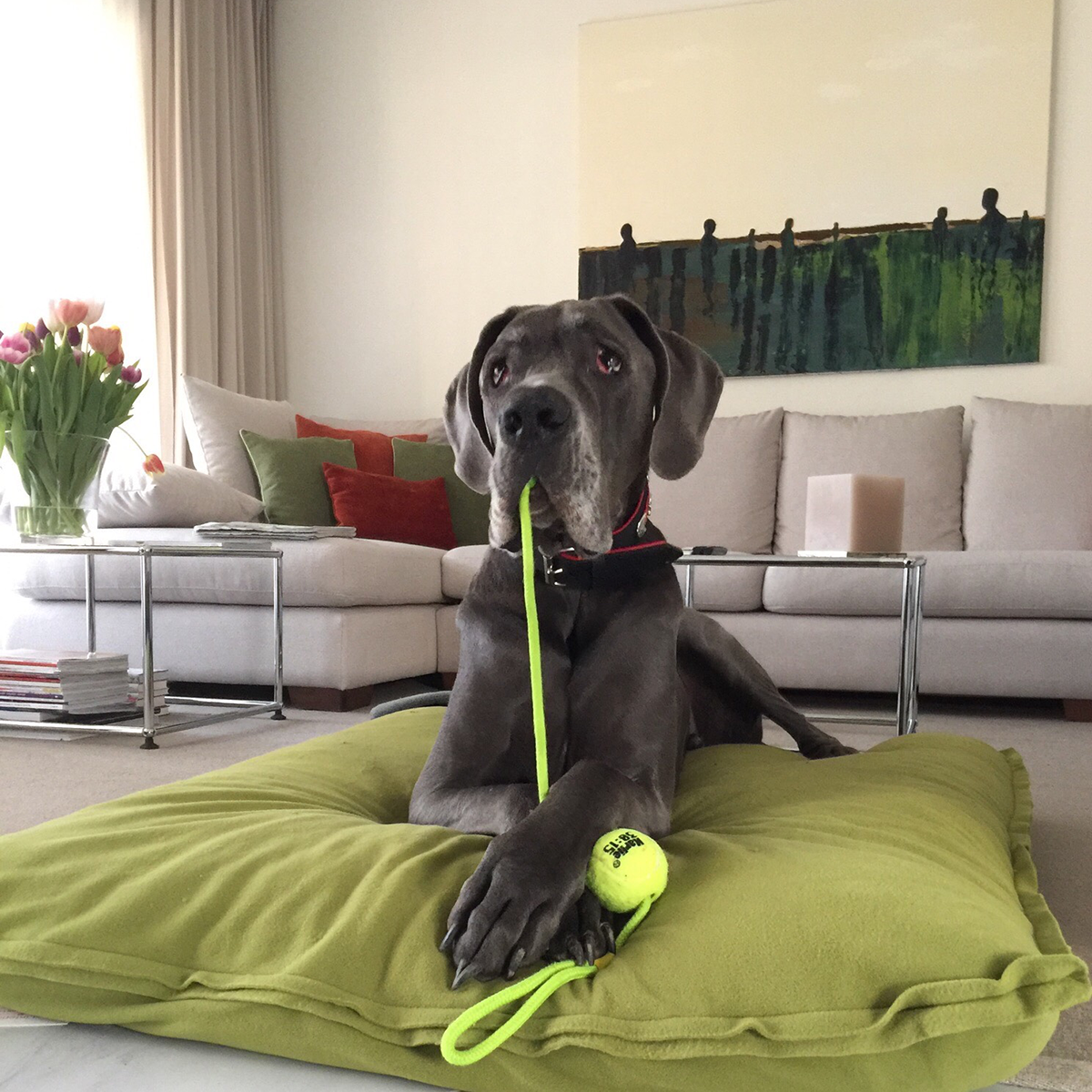
Strong-willed and dignified—part king, part clown, and entirely himself.
Great Dane Keanu – DIVAN Uno dog cushion, 100 x 120 cm
We wanted to share with you—and of course Gisela—just how happy Keanu is with his new sanctuary. It is already his absolute favorite spot, and he never misses a chance to relax on his new dog bed. Attached is a photo of our boy. Once again, many thanks for the fast and perfect service.
Our DIVAN UNO is a classic among our orthopedic dog cushions.
Its secret lies primarily in its interior: the cushion is filled with high-quality latex flakes. This filling offers point elasticity, adapting to the dog’s body shape while providing a pleasantly supportive sleeping surface.
Unlike a rigid mattress, the DIVAN UNO allows the dog to shape its sleeping spot to some extent. This makes the cushion particularly suitable for dogs that like to turn around, scratch, and create a cozy “nest” before lying down.
For large dogs, sizes such as 80 × 100 cm, 100 × 100 cm, and 100 × 120 cm are available. We also manufacture custom sizes upon request. The large versions have a height of up to 15 cm.
A dog bed that adapts to the dog
Large dogs naturally carry a lot of weight, making the quality of the inner filling particularly important.
The high-quality orthopedic latex filling of the DIVAN UNO supports the body without making the bed feel uncomfortably hard. At the same time, the loose filling allows the cushion to be shaped and molded.
In this way, the DIVAN UNO combines two features that large dogs love: support and coziness.
A dog bed should also be hassle-free for us humans. The covers feature a zipper and are both machine-washable at 30°C and suitable for tumble drying. A variety of cover materials and colors are available to suit your interior style, and replacement covers can also be purchased.
View DIVAN UNO – orthopedic dog bed
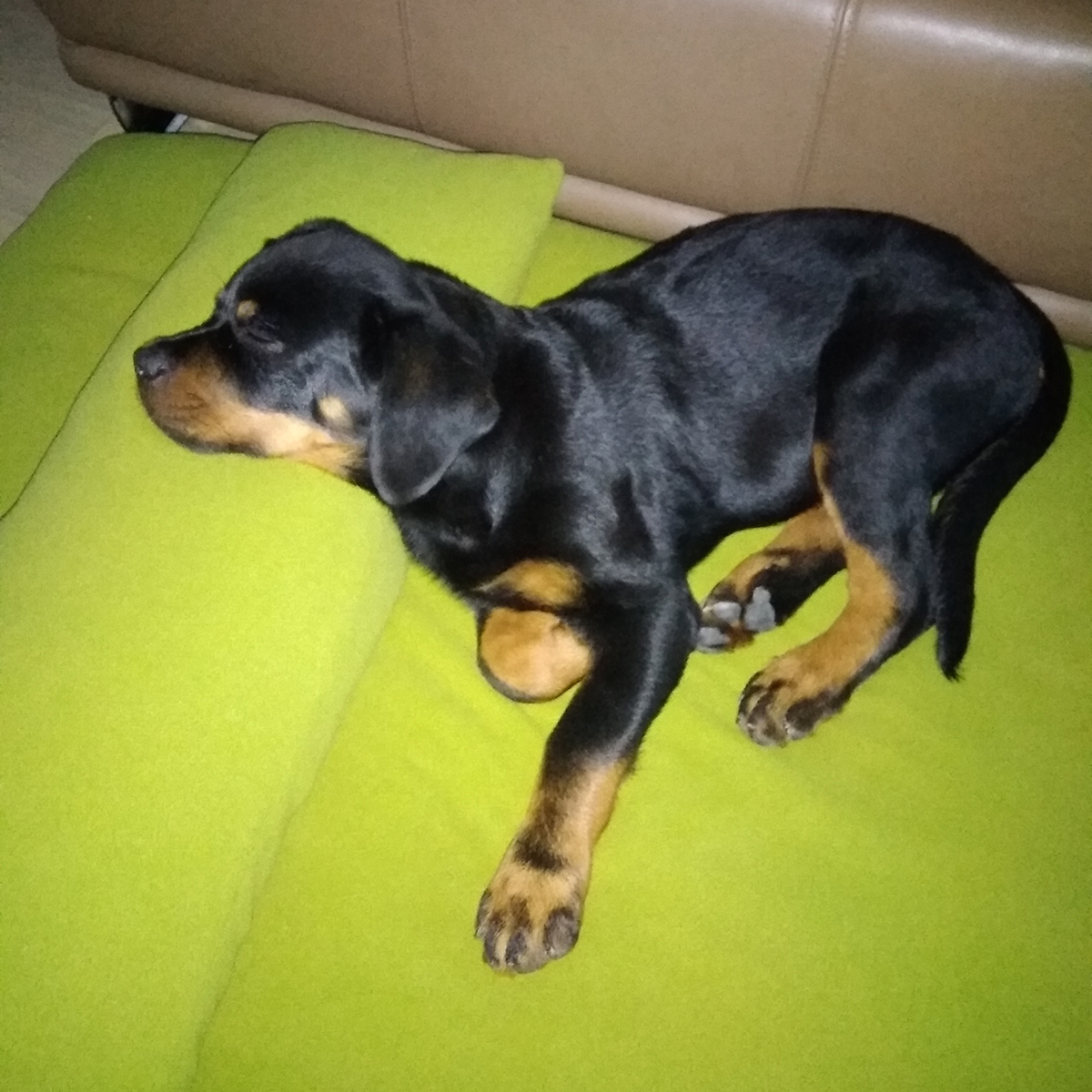
Hagen the Rottweiler – DIVAN Uno Dog Bed with Pillow (100 x 120 cm)
I cannot stress enough just how amazing the quality is.
I wash both covers for the dog bed (the ones for the bedroom and living room) at least once a week, since Hagen likes to devour goose necks or beef ears on his bed and makes a huge mess 😉 All five covers—three fleece and two cotton—are still in perfect condition after countless washes.
With pillows, the DIVAN UNO transforms into a small sleeping area.
Our matching head cushion is a wonderful addition for large dogs.
Many dogs love resting their heads in a slightly elevated position, while others use the extra cushion to lean against or snuggle up to. Especially on a spacious sleeping surface, this creates a spot where the dog can arrange things exactly according to its own preferences.
This is a key principle for us: a good dog bed shouldn’t dictate how the animal has to lie down; instead, it should give the dog the freedom to find its own favorite position.
LOUNGE BUFFALO – Dog bed for large dogs with a discerning eye for design.
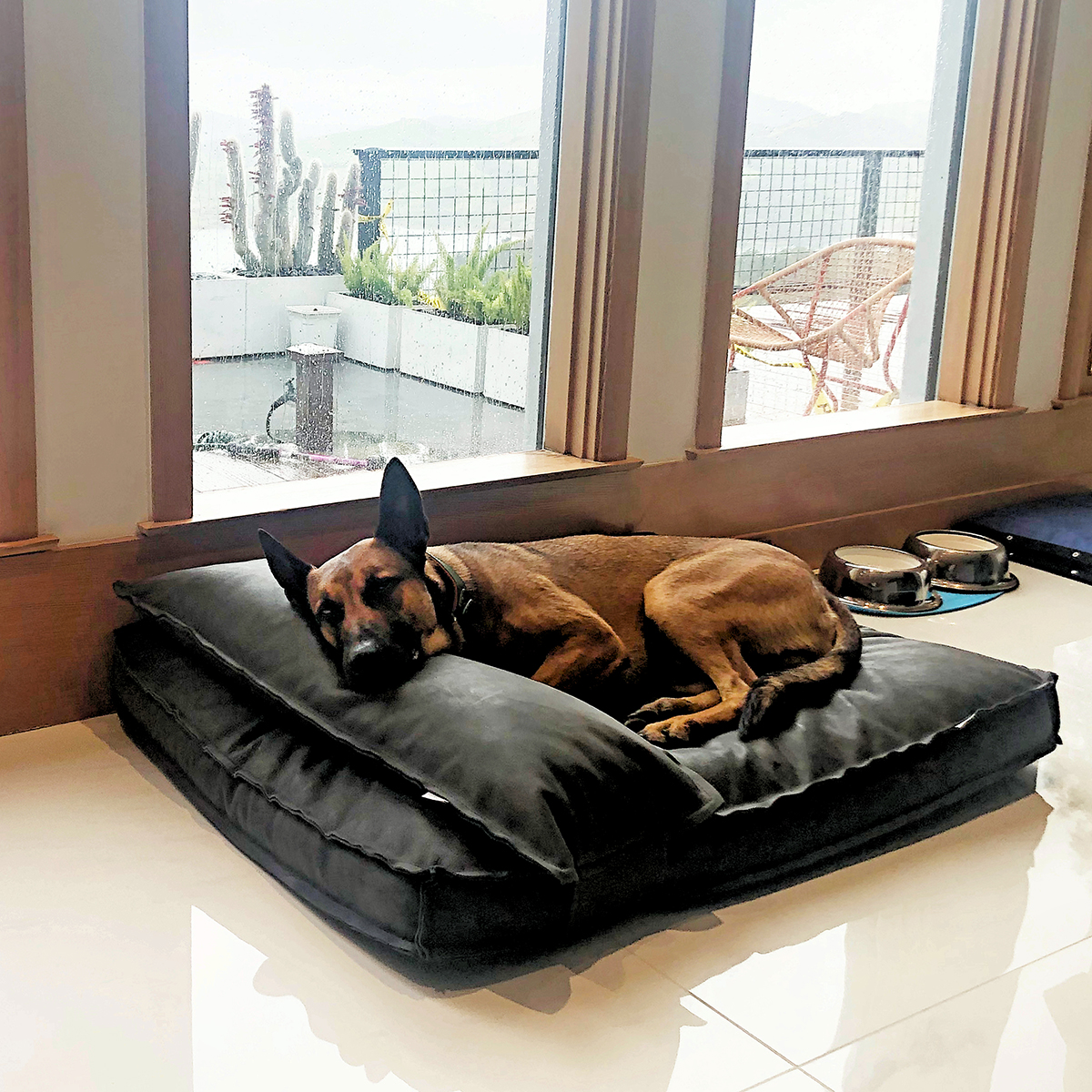
Belgian Shepherd Dozer
Buffalo leather dog cushion & pillow, 90 x 110 cm
It’s rainy today and the view isn’t that great because you can’t see the blue water, but I thought I’d send this anyway, as Dozer really seems to be enjoying his cozy bed.
While the DIVAN UNO is soft, adaptable, and snug, our LOUNGE BUFFALO follows a different concept.
It combines orthopedic comfort with an exceptionally high-quality natural material: genuine water buffalo leather.
The leather is soft and pleasant to the touch, yet remarkably durable. Over time, it develops a distinctive patina. There is no need to hide signs of use—instead, they gradually transform each LOUNGE BUFFALO into a unique, one-of-a-kind piece.
Especially in a modern, upscale living environment, this dog bed therefore feels less like standard pet equipment and more like a distinctive piece of furniture in its own right.
The chamber system makes the difference.
With the LOUNGE BUFFALO, too, the interior plays a decisive role.
Unlike the DIVAN UNO, the latex filling here is contained within a sophisticated chamber system. This prevents the filling from shifting significantly inside the cushion, ensuring the sleeping surface remains more uniform and slightly firmer.
This makes the LOUNGE concept particularly appealing for large, heavy dogs that prefer to lie straight and fully stretched out.
The LOUNGE BUFFALO is available in sizes such as 90 × 90 cm and 90 × 110 cm; custom sizes are also available upon request.
LOUNGE BUFFALO – View leather dog cushion
Leather is surprisingly practical for everyday life with dogs.
A leather dog bed doesn’t just look distinctive; leather can be exceptionally practical, especially for large dogs.
Loose dog hair is easily vacuumed up, and minor soiling can be wiped away with a damp cloth. For more stubborn dirt, the leather can be cleaned with a suitable leather soap and then conditioned.
Even dogs with long or thick coats may find a smooth leather surface comfortable, particularly if they tend to overheat quickly on very fluffy fabrics.
And there is another aspect that is particularly important to us: high-quality leather ages differently than many short-lived materials. It isn’t meant to be replaced after a short time, but rather to develop its own unique character over many years.
DIVAN UNO or LOUNGE BUFFALO – which dog bed suits my large dog?
The choice depends less on which bed is “better” and more on your dog’s preferred sleeping style.
We particularly recommend the DIVAN UNO for dogs that love to snuggle, scratch, and build a nest, and that prefer a somewhat more flexible sleeping surface. Thanks to a range of fabric cover options, the dog cushion can also be highly customized to match your interior décor.
The LOUNGE BUFFALO is ideal for dogs that prefer a more uniform, slightly firmer sleeping surface. Its chamber system stabilizes the filling, making the LOUNGE concept a great choice for large, heavy dogs as well. At the same time, the water buffalo leather cover transforms it into an exceptionally durable design piece.
However, both concepts share one crucial feature: a high-quality orthopedic latex filling at their core.
A good dog bed should be able to last for many years.
Anyone with a large dog knows the issue: many things need to be bigger and sturdier—from your car to your dog’s sleeping area.
It makes little sense, then, to have to replace a dog bed on a regular basis.
That is why we at pet-interiors take a different approach. Our dog beds are manufactured in Germany using high-quality materials and designed for long-lasting use. For the DIVAN UNO, pet-interiors offers a five-year warranty on the cushion filling, while replacement or interchangeable covers further extend the product’s lifespan.
For us, this represents a form of sustainability that doesn’t just begin with recycling.
It starts with a product crafted to such a high standard that you want to keep it for as long as possible.
The best dog bed for large dogs? One that your dog really loves lying on.
Ultimately, the size of a dog bed is not the only factor determining its quality.
A good sleeping spot must suit the dog’s weight, physique, and—above all—sleeping habits. It should offer ample space, provide reliable body support, and retain its excellent comfort properties even after hours of sleeping, dozing, and dreaming.
The DIVAN UNO offers large dogs a cozy, moldable sleeping spot featuring an orthopedic latex filling.
The LOUNGE BUFFALO combines a firmer sleeping surface with a chamber system and exceptionally durable water buffalo leather.
Two distinct concepts – sharing the same goal:
Giving large dogs the space they need for a truly good night’s sleep.
And because a bed for large dogs inevitably takes up a significant amount of living space, we believe it should be something more:
a beautiful piece of furniture that both humans and dogs will love having in their home for years to come.
Made in Germany. Crafted with attention to detail – for large dogs and high standards.
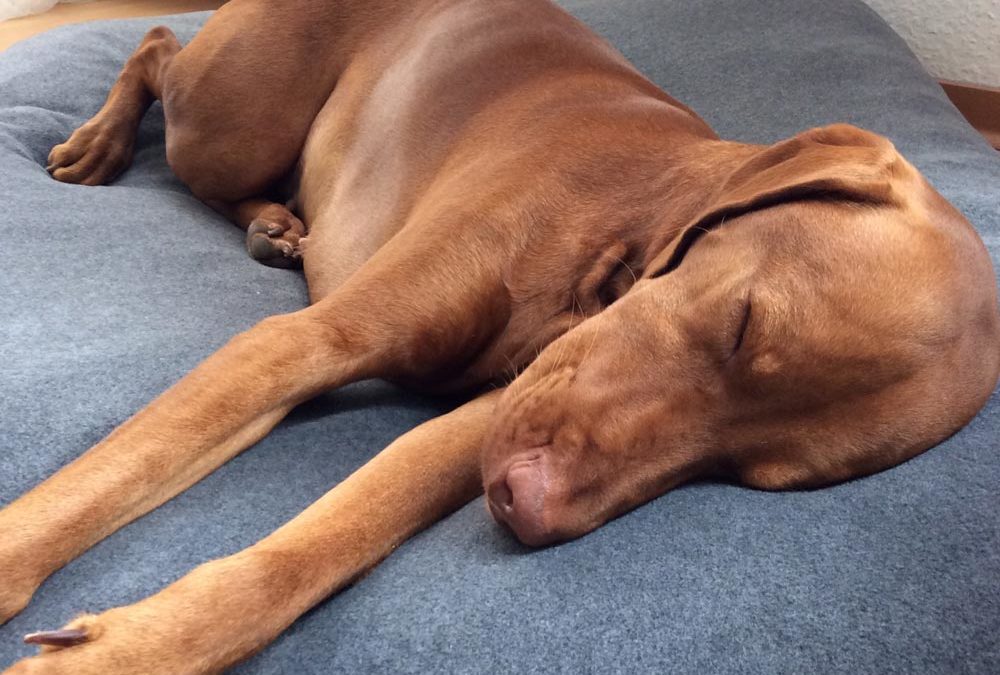
Dog bed for large dogs
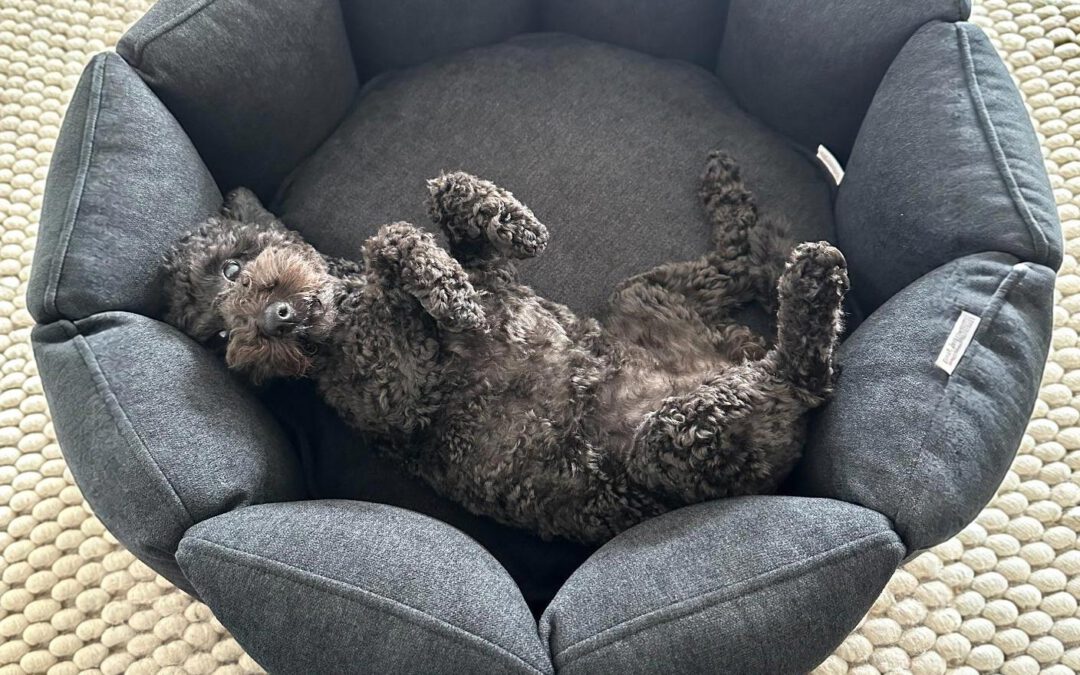
Dog beds for small dogs
Are you looking for a dog bed that guarantees comfort for your small dog?
Here, we present five dog beds from our workshop. Stylish, expertly crafted—and supremely cozy.
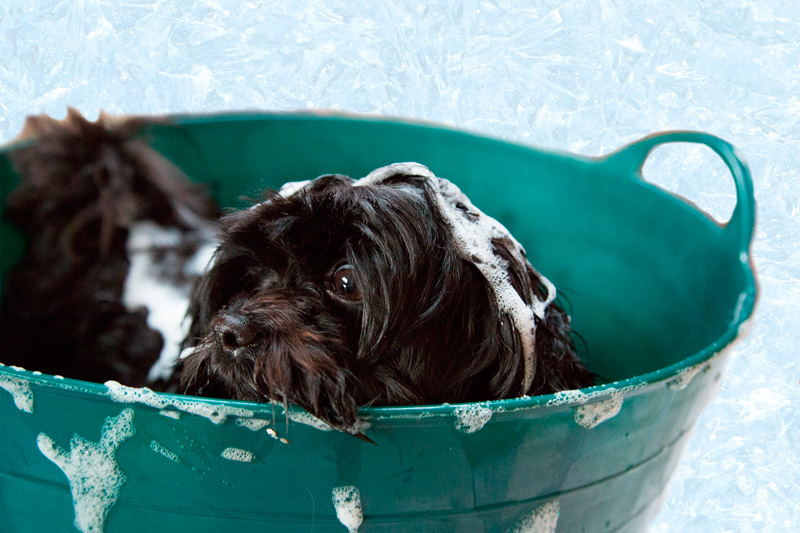
Dog shampoo for sensitive skin
If you don’t feel comfortable washing your dog with a shampoo whose ingredients list you can’t even pronounce, here’s a great recipe …



Recent Comments