+49 9571 9400 117 info@pet-interiors.com

Dog and Heat

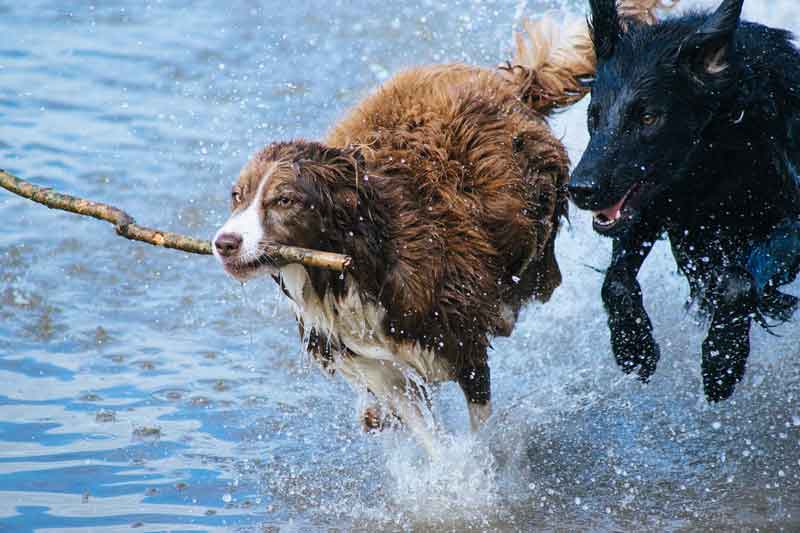
When it’s hot, dogs love to let off steam and cool off in the water.

Dogs and heat. Useful tips on how to survive the hot days.

You just have to imagine that the owner has to endure these high temperatures in a fur coat. Then it might be easier to understand how the dog feels in the heat. Since dogs, unlike humans, cannot cool down through sweat – our four-legged friends have only a few sweat glands – dogs and heat do not get along so well. Cooling down works through panting. Heavy panting should already alert the dog owner to take countermeasures.

We have put together some useful tips here to help our dogs survive the hot summer well.

Cooling down with water

If the dog likes to swim, cooling down in a lake, river, stream or the sea is a great way to refresh themselves. Equipped with swimming toys and balls, bathing is a successful activity. This way, dogs and heat are even fun.

If the dog doesn’t mind, it can also be sprayed off with the garden hose (starting at the paws). Catching the drops of water is fun for almost every dog.

If the garden hose is not your four-legged friend’s friend, a sturdy children’s paddling pool will also provide cooling.

Walking the dog in summer

If the temperatures are very high, long walks should be scheduled for the early morning or late evening. Walking with the dog and the heat is bearable on cool lawns or shady forest paths. Otherwise, older animals in particular can quickly develop circulatory problems.

During the day, only short walks are recommended, preferably not on hot asphalt. During the midday hours, a nap in the shade or in the cool apartment is on the agenda.

Avoid walking on pavement and asphalt, open fields and paths without shade. Check the heat of the road surface by pressing your hand onto the surface. If you cannot calmly count to 10, the ground is too hot and will burn the dog’s paws. Even if the road surface is not quite so hot, long walks can lead to burns.

Staying outdoors

It is best to stay in the shade with your dog and the heat. On the cool grass in the park under a shady bush, you can bear it even in high temperatures. A stay in the forest is a great change for dog and owner. Strenuous activities such as cycling should be avoided as they put too much strain on the cardiovascular system.

Grooming in hot weather

The fur should be brushed regularly in summer so that more air can reach the skin. Your darling will also be happy with a short summer cut and thinning of the fur, which will give him relief. Dogs can get sunburnt in hairless areas, so don’t cut them too short. Dogs with dark fur suffer much more in the summer heat, so make sure you go into the shade. You can also give your dog relief in hot weather by moistening his legs and stomach or putting a damp cloth on his body.

It is ideal if the four-legged friend can move freely in and around the house in the heat. He will then usually find a cool place himself, inside or outside.

Food and water

Of course, you always have to provide your dog with enough fresh water in hot weather so that it can quench its thirst at any time.

Smaller food portions spread throughout the day are less stressful for the body.

Homemade ice cream is a welcome change for the dog. You can find some recipes to download here.

Traveling in the car with your dog

It cannot be stressed enough: never leave your dog alone in the car in summer temperatures. It is not enough to park the car in the shade. Always take your dog with you. You can be stopped for any reason. The sun moves and in no time at all the temperatures inside the car are hellishly hot and become a death trap. Lack of oxygen, nausea and circulatory failure can lead to the animal’s death in the worst case scenario.

The use of air conditioning is essential for long journeys. If there is no air conditioning, long car journeys must be planned for the cool morning hours or late evening.

Call the police immediately if you discover an animal in a car. If an animal owner acts irresponsibly, he can be held accountable under Section 17 of the Animal Welfare Act. Fines and/or imprisonment of up to 3 years are threatened.

Recognize warning signals

Heavy panting with a stretched neck, a glazed look and a deep red tongue are a warning sign that the heat is getting too much for your four-legged friend. If vomiting, loss of balance and unconsciousness are added to this, the dog has suffered heatstroke, which in the worst case can lead to death. You should consult a vet as soon as possible!

Here you can find information on the topic Heatstroke in Dogs.

Recipe ideas for dog ice cream

Banana Ice Cream

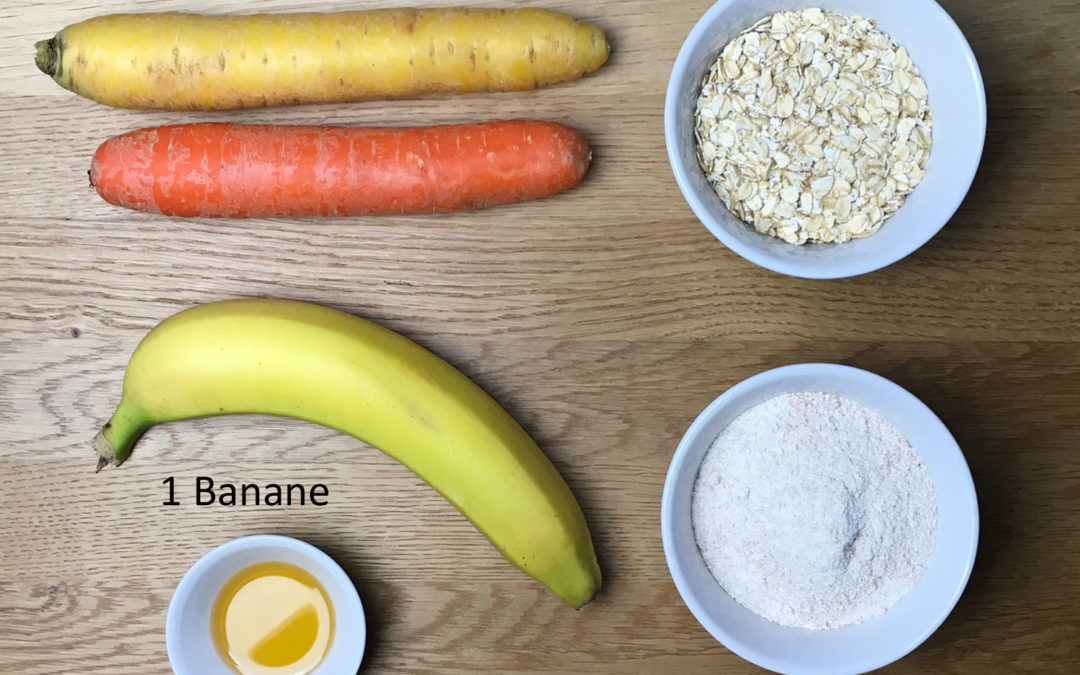
  • 1 overripe banana
  • 100 g cottage chease

Ice Cream with Watermelon

  • 100 g watermelon
  • 100 g natural yogurt

Blueberry Ice Cream

  • 100 g blueberries
  • 100 g quark

Preparation

Mix all ingredients and fill into ice cube trays. Stick a small wooden stick or spoon into each ice cube so that you can feed it to your dog. For larger portions, you can also freeze the ice cream in muffin tins.

Important: Offer the dog the ice cream in small portions and make sure that it only swallows small pieces at a time.

Recipe for dog ice cream

Bake your own dog biscuits

Bake your own dog biscuits

Your four-legged friend will love these healthy dog ​​biscuits. Since you prepare all the ingredients yourself, you know exactly what’s in the biscuits and what your dog is consuming. …

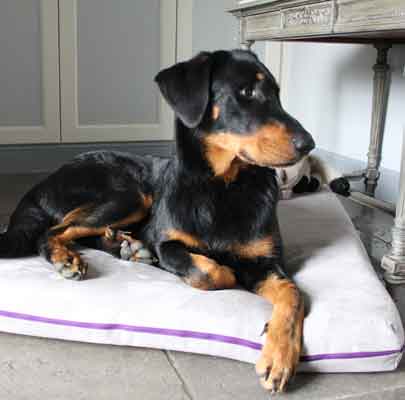
Beauceron dog breed

The Beauceron is a very original, powerful, robust and muscular dog, but without any sluggishness. It impresses with its stamina and incorruptibility. His nature is never angry, fearful or even shy. It is described in specialist literature as an excellent family dog. He prefers to be in the middle of the family or his pack and accompanies you wherever you go. Despite its size, the Beauceron is a sensitive and delicate dog. It is cautious and reserved with small children, older or anxious people. As a rule, people unknown to him are not harassed or even greeted stormily. However, if friendly contact is sought and he has met someone, he will greet them warmly. Kennels are absolutely unsuitable for the Beauceron breed.

Hunderasse Beauceron - Hundekissen - pet.interiors
The Beauceron is still a healthy, extremely robust breed with an average life expectancy of around 12 years.

Color strokes:

bicolored black-red – Bas rouge
tricolor black-red-grey – Harleqiun

Height

male: 65-70 cm
female: 61-68 cm


Heatstroke in Dogs

Temperatures that are comfortable for us can, under certain circumstances, lead to heat stroke for the dog.

Heat stroke in dogs

If temperatures rise to over 25°C in summer, dogs are more likely to suffer from heatstroke. Since there are no sweat glands on large parts of the skin in dogs and cats, the animals are very sensitive to heat. Sweat glands are only located on the nose and the ball of the nose. This is too small a surface area to regulate body temperature sufficiently. And unlike humans, the warm fur can be exchanged for an airy summer dress.


How does heatstroke occur in dogs?

If the dog is exposed to heat for a long time and has no opportunity to retreat to a cool place, the dog can very quickly develop heat stroke. If you park your car in the sun at a pleasant 24°C, it can become a fatal trap for your dog inside within an hour. Never leave your dog alone in the car, even if it is in the shade. The sun moves and the car turns into an oven within a very short time.

In warm weather, high humidity, and strenuous physical activity, well-trained dogs can suffer heat stroke. Rescue dogs may only be used for 15 minutes at temperatures above 30°C. Then a sufficiently long break must be taken and the animal must have unrestricted access to water. To ensure that the rescue dog is adequately protected, the body temperature is checked regularly.

If your dog is a flat-nosed dog (e.g. French Bulldog, Pug, Boxer, Cavalier King Charles Spaniel, Pekingese…) you should be particularly careful. Even a quiet walk in the midday heat can cause heat stroke in a dog with restricted breathing.

What happens when you have heat stroke?

Dogs dissipate heat by panting. Due to the resulting loss of fluid, the animals become dehydrated and their body temperature continues to rise. From a body temperature of 40°C, the organs are no longer adequately supplied with blood, significant circulatory problems occur and shock can occur. If the body temperature continues to rise, the body’s own protein clots, the animal collapses and, after a painful struggle, dies of heart failure.


These are the signs of heat stroke:

  • heavy panting and shallow breathing
  • great restlessness, the dog is looking for a place in the shade
  • rapid pulse and heart palpitations
  • Body temperature over 40°C
  • deep red tongue and glassy gaze
  • Inside of ears are hot and red
  • the animal is exhausted, restless and convulsing
  • Vomiting and diarrhea
  • Balance disorders and staggering
  • Apathy and, in the worst case, unconsciousness

First aid measures for heat stroke:

  • move the animal to a cool, well-ventilated place
  • offer the animal measured water (never force it)
  • place the dog on a damp towel and cool his head and neck
  • slowly moisten the legs
  • shower the animal slowly and carefully, starting with the legs
  • Do not under any circumstances pour water on the animal, risk of shock!
  • under no circumstances use ice-cold water, danger to life!
  • If the dog is unconscious, place him on his right side, stretching his head and neck to prevent suffocation

take the animal to the vet immediately
If you have a heat-damaged dog, you should always and under all circumstances consult a veterinarian! Only a veterinarian has the chance to prevent irreparable damage and initiate emergency measures.

Here are some useful tips on how to get your dog through the summer heat!


Bake your own dog biscuits

Bake your own dog biscuits

Your four-legged friend will love these healthy dog ​​biscuits. Since you prepare all the ingredients yourself, you know exactly what’s in the biscuits and what your dog is consuming. …

Restful sleep for my dog

Why a quiet, restful sleep is so important for dogs.

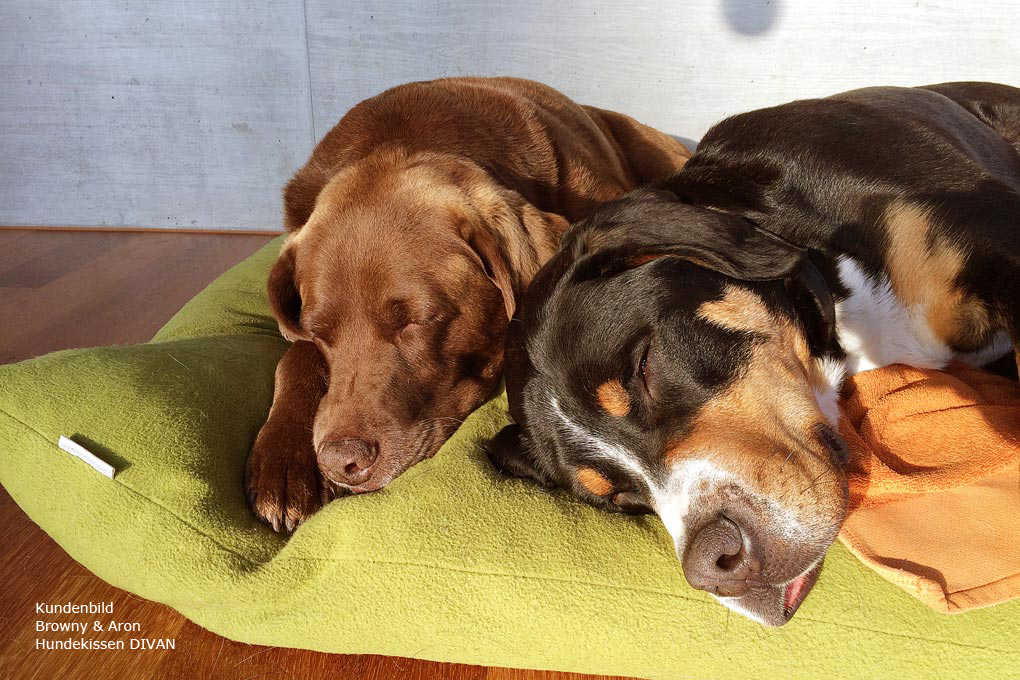
For most dogs, the daily routine is similar. After the last round of walks, the dog and his owner go to bed. Peace returns, the dog can switch off and get a restful sleep. With a bit of luck next to your master and mistress in the bedroom. These sleeping sounds calm the pack animal dog the most.
It starts with the first alarm ringing. People become active and from this point on, the four-legged friend can no longer properly assess everyday life. He finds it difficult to switch off and usually just dozes in our presence.
If the dog sleeps deeply and soundly, the dog usually lies stretched out for a long time and there is hardly any body tension. If the four-legged friend is just resting, his eyes are closed, but he is always ready to react immediately to any deviations.

Healthy, sufficient and restful sleep is essential for dogs.

Rest periods throughout the day are extremely important to gather strength and process experiences. In addition, the immune system is strengthened and our four-legged friend is less susceptible to illness. Dogs get restful sleep, are much more relaxed in their behavior, more receptive, learn faster and have better motor skills.

Restful sleep is important for the dog.

Dogs need a restful sleep.

How do I recognise if my dog is sleeping deeply?

If the dog is just resting, he has his eyes open and is looking around. He lies quietly in his place in the dog bed and doesn’t let himself be disturbed immediately.

When the dog is dozing, its nose and ears scan the surroundings. He has his eyes closed, is breathing normally and is not dreaming.

Dogs’ deep sleep phases are quite similar to those of humans. When you fall asleep, your heart rate and breathing slow down and your blood pressure drops. The REM phase comes in which the dogs process their experiences of the day. If the four-legged friend twitches and whines with his eyes closed, he is dreaming and is in the deep sleep phase. In contrast to humans, who dream for about a quarter of the deep sleep phase, the REM phase in adult dogs only lasts about 10% of their sleeping time, although young dogs need a little more.

Scientists have found that humans and dogs show identical patterns of sleep deprivation. They are initially more overexcited, then unfocused and have poor motor skills. Then comes the phase in which they are very irritable. The first symptoms of illness then appear, which can become chronic.
That’s why you should provide your dog with a place to sleep that offers maximum regeneration, because restful sleep is so important.

Restful sleep can be learned again.

Our dogs are no longer used to natural periods of rest. They are just as active as their master. Many dog owners also think they have to keep the dog busy. But the animal actually has to learn again to fall into a deep sleep during the day. In order for the dog to fall into a deep sleep during the day, a few things must be considered.
The perfect sleeping place is the be-all and end-all for the optimal regeneration of your four-legged friend.

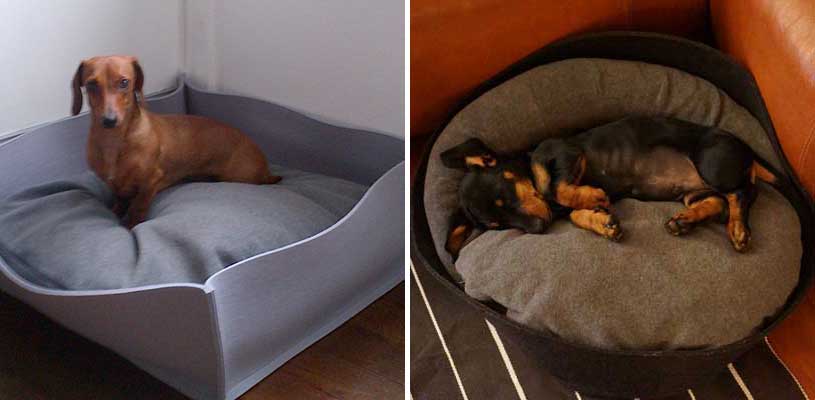
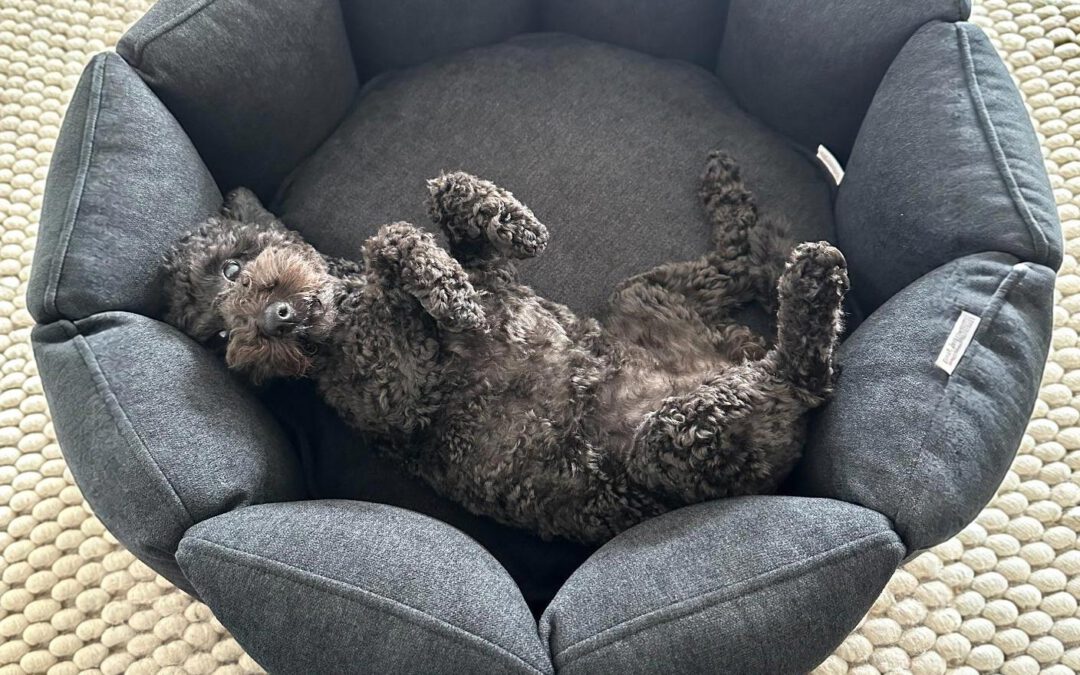
Nature has shaped dogs’ natural sleep experience. In order to have a feeling of security and protection, wolves dig a hole for themselves. Dogs get this security when their backs are protected, for example with our BOOX, CUBE, BLOOM dog bed or our ARENA dog basket.

Do not place the dog basket in the middle of the room. It is better to place it on a quiet side or corner of the room, without direct sunlight and free from drafts. Also not directly in front of the heater, as the dog can quickly become too warm. Please do not place the sleeping area in a passage or hallway. There is too much “traffic” and unrest at this point. So that your furry friend can switch off and find peace, a somewhat hidden, protected place is the right place for the dog bed.

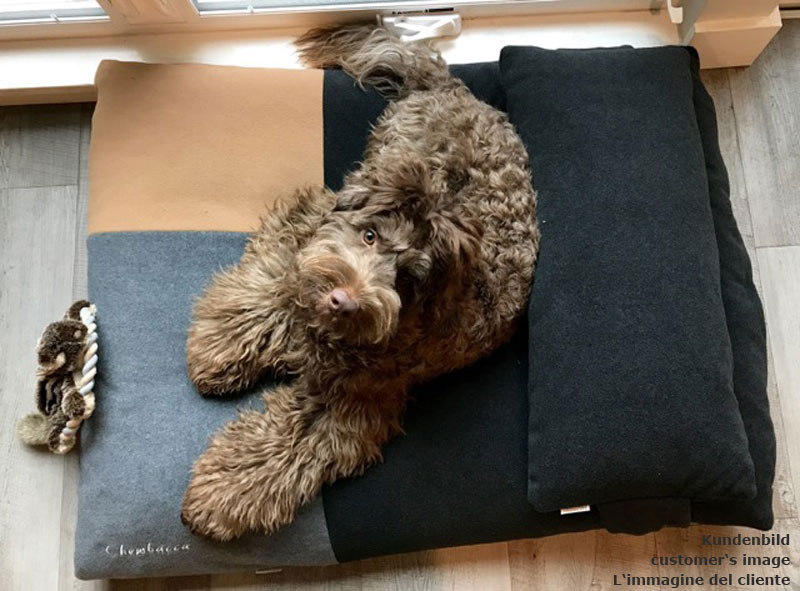
To prevent joint problems, please do not let your dog sleep directly on the cold, hard floor. Provide him with a place to sleep that is well insulated from cold and heat (underfloor heating). Our dog cushions are thick enough to meet these requirements. The orthopedic latex filling also ensures a healthy, deep sleep. It supports the dog’s body with its excellent point elasticity and optimally reflects the body shape so that there is no pressure on the intervertebral discs and spine. This ensures optimal muscle relaxation.
If the dog already has problems with its joints, we recommend a viscoelastic (memory foam) dog mat like our PAUL or MARY.
Make sure the dog bed is the right size. The dog should also be able to stretch out properly.

Which also ensures a good night’s sleep.

Exercise and exposure to fresh air are essential for a good night’s sleep. Mental demands such as nose work and tracking require not only the muscles but also the head. A restful sleep also depends on a good sleeping environment, but we have already discussed that. At night it is also important that the room is dark. The animal should also not be disturbed by loud ambient noises. To ensure that the bladder doesn’t strain during the night and prevent the dog from sleeping through the night, a final walk should take place before going to bed. Feed him early in the evening so that he has enough time to digest his evening meal.

Serious causes of too much sleep.

There is a big difference between sleeping and lying lethargic. Watch your dog closely. If he seems rather sluggish and lethargic, you should first check his feeding habits. Is it possible that your four-legged friend is not drinking enough or does he hardly have an appetite? This can be a serious red flag. When we humans have the flu, we don’t want to get out of bed and suffer from loss of appetite and lack of motivation. Watch your dog closely and see if he might
– receives too little employment and is under-challenged
– suffers from an underactive thyroid
– Is diabetic
– suffers from depression
– was infected with Lyme disease from a tick bite

Basically: 16 to 20 hours of sleep is normal for dogs and usually not a cause for concern. However, if your animal’s behavior suddenly changes, he is much less active, lies lethargic in his bed, or his drinking habits or eating behavior change, you should always consult a veterinarian.