+49 9571 9400 117 info@pet-interiors.com

Labradoodle Chewbacca

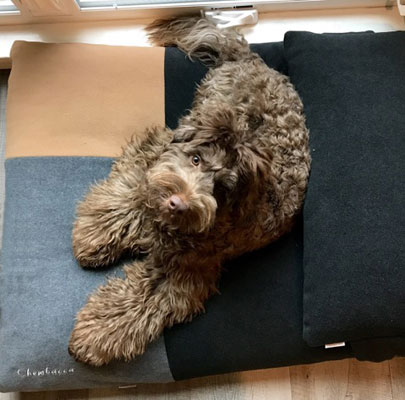
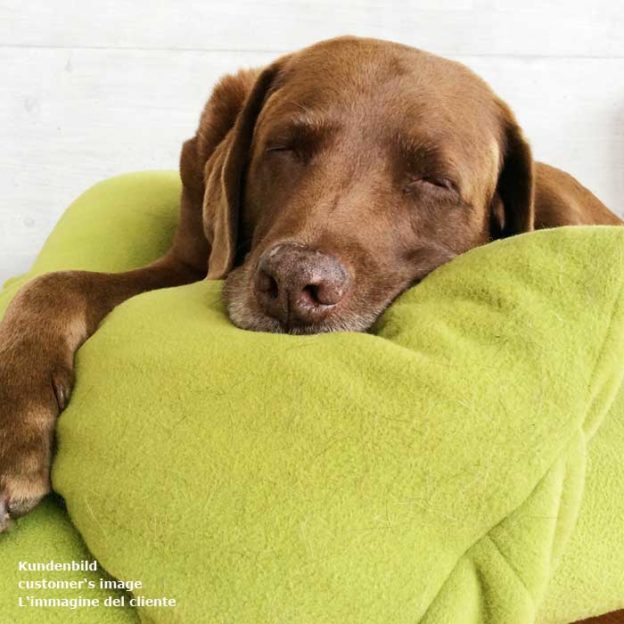
Labradoodle Chewbacca from Seattle is happy with his DIVAN dog cushion.


We just got Pet Interiors bed for Chewbacca, our 14 months Australian Labradoodle. As soon as I placed it on the floor he wanted to try it and since then he hardly moves elsewhere. He brought his favorite bones and toys to the dog bed. It was not easy to find this perfect option. It complies with several wishes:


  1. Super comfortable: Orthopedic and the Italian felt is to die for
  2. Modern: it goes with the the furniture.
  3. Good details and quality: the stitch and the filling of the pillow is just right to make it for an elegant giant cushion.
  4. Excellent Service: As soon as I placed the order, I was contacted with next steps. The shipping to US was so easy.
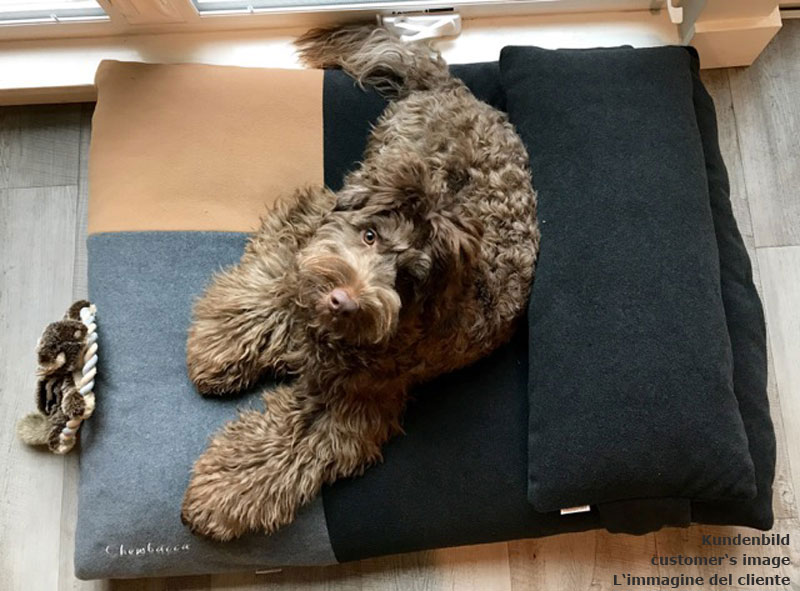
Labradoodle Chewbacca from Seattle is happy with his DIVAN dog cushion from pet-interiors

Labradoodle Chewbacca from Seattle is happy with his DIVAN dog cushion.

Bake your own dog biscuits

Bake your own dog biscuits

Your four-legged friend will love these healthy dog ​​biscuits. Since you prepare all the ingredients yourself, you know exactly what’s in the biscuits and what your dog is consuming. …

Allergy-friendly dogs – which breeds are suitable?
The dream of having a dog doesn’t have to be over for allergy sufferers. There are dogs for allergy sufferers that have a low allergy potential and can be kept in allergy-prone households.


Allergy to dogs

After cat allergies, dog allergy is the second most common pet allergy. There are currently approximately 7 million dogs living in German households, and approximately 10% of the population is allergic to dogs. This has led to increasing interest in dogs that are compatible with allergies. However, there are no dogs that are unconditionally recommended for allergy sufferers. The reaction to different breeds varies greatly from person to person. And even within a breed, the allergic reaction to an animal can vary.

Allergic reaction to pet hair

What causes dog hair allergy?

Although it’s referred to as a dog hair allergy, the allergic reaction isn’t actually triggered by the hair itself. The protein in the dog’s saliva, dander, and urine causes the allergic reaction. The hair itself isn’t the major problem. Because dogs use their tongues for personal hygiene, the proteins are spread throughout the coat. The hair and dander shed by dogs come into contact with house dust and disperse into the air. The allergens are then transmitted through inhalation.


Suddenly allergic to my dog

What should you do if an allergy only develops after years of being a dog owner? For almost all dog owners, giving the dog away is initially out of the question. In this case, intensive grooming by other family members is extremely important to ensure that as little dog hair as possible gets into the air. Smooth floors and surfaces that can be mopped regularly are very helpful for allergy sufferers. When buying a vacuum cleaner, make sure it has a filter for allergy sufferers. High suction power for removing dog hair from upholstered furniture, etc. is also important. Specialist retailers sell products that can be sprayed onto the dog’s coat to prevent an allergic reaction. Success is not guaranteed, but it is certainly worth a try.


What can I do if I am allergic to dog hair?

If the desire for a dog is overwhelming, but a family member is allergic, then only a long series of tests is possible. First, visit acquaintances and friends with dogs in your area. With a bit of luck, you might find a breed that has little to no reaction. Or perhaps the dog’s coat texture is causing little or no reaction. The search for a dog that is suitable for allergy sufferers is difficult and time-consuming, but not impossible.


Which dog breed is suitable for allergy sufferers?

Allergens are primarily spread by flying dog hair. Therefore, it is especially important to choose a dog that sheds little. Although Great Danes shed little, they are not suitable for allergy sufferers because this breed drools excessively, which spreads allergens. Long-haired dogs are generally better suited than short-haired dogs. They shed significantly less hair (especially in spring and fall during shedding) than their long-haired counterparts, and long hair is easier to remove than short hair. How much hair a dog sheds is not the only criterion for whether it is suitable for allergy sufferers. It is believed that some dog breeds have fewer allergens than others.


THESE DOGS ARE CONSIDERED ALLERGY DOGS:

The Lagotto Romagnolo

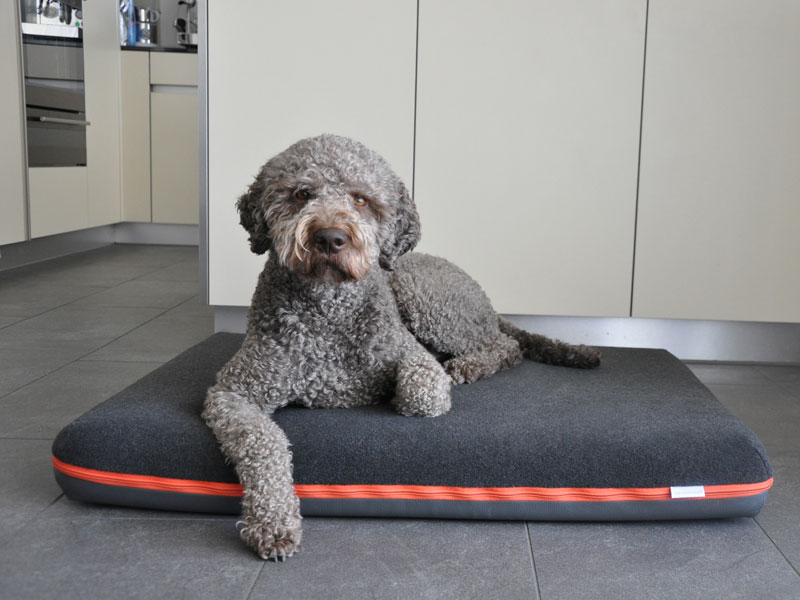
Lagotto Romagnolo Verdi | pet.interiors Lagotto Romagnolo Verdi

The Water Dog sheds little hair, has no undercoat, and does not shed seasonally. The coat must be brushed thoroughly at least once or twice a week to prevent matting. Grooming should be done by a non-allergic family member or friend. Since the coat grows back regularly, it must be clipped from time to time.

The Schnauzer

Schnauzers also don’t shed their coats, and with proper care, they hardly shed. To remove the dead undercoat, the topcoat and undercoat must be brushed regularly. It’s recommended to have the coat properly trimmed twice a year, and regular beard care is also important.

The Standard Poodle

Standard Poodle | pet.interiors

Standard Poodle

The poodle also sheds little hair and is not subject to seasonal shedding. Grooming is time-consuming. Daily brushing and a clipping every 5-10 weeks are recommended to prevent matting.

The Labradoodle

Labradoodle Chewbacca | pet.interiors

The Labradoodle

Labradoodle Chewbacca

The Labradoodle also needs daily brushing and combing to prevent matting. Its sensitive ears must be included in the grooming process. If the Labradoodle’s hair is very curly, you should have it clipped every 8-10 weeks.

The Havanese

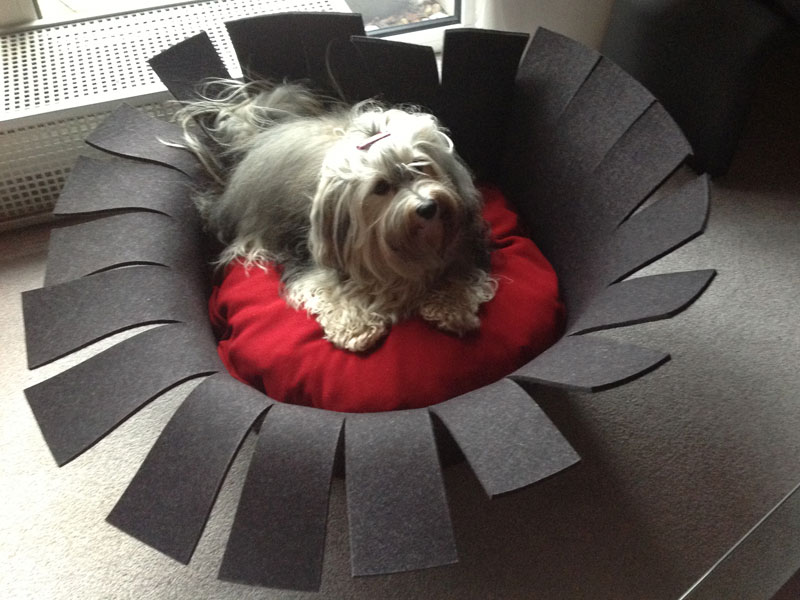
Havanese girl Fly | pet.interiors

The Havanese

Havaneser Mädchen Fly

Although the Havanese has no undercoat and isn’t subject to seasonal shedding, their coat care is demanding. Daily combing to prevent matting and regular trimming are extremely important. Regularly clean and care for their ears and eyes to prevent infections.

But don’t just consider the dog’s allergies. Its personality should definitely be a good fit for you. Learn more about this at: Which dog is right for me?

Bake your own dog biscuits

Bake your own dog biscuits

Your four-legged friend will love these healthy dog ​​biscuits. Since you prepare all the ingredients yourself, you know exactly what’s in the biscuits and what your dog is consuming. …

Which dog is right for me?

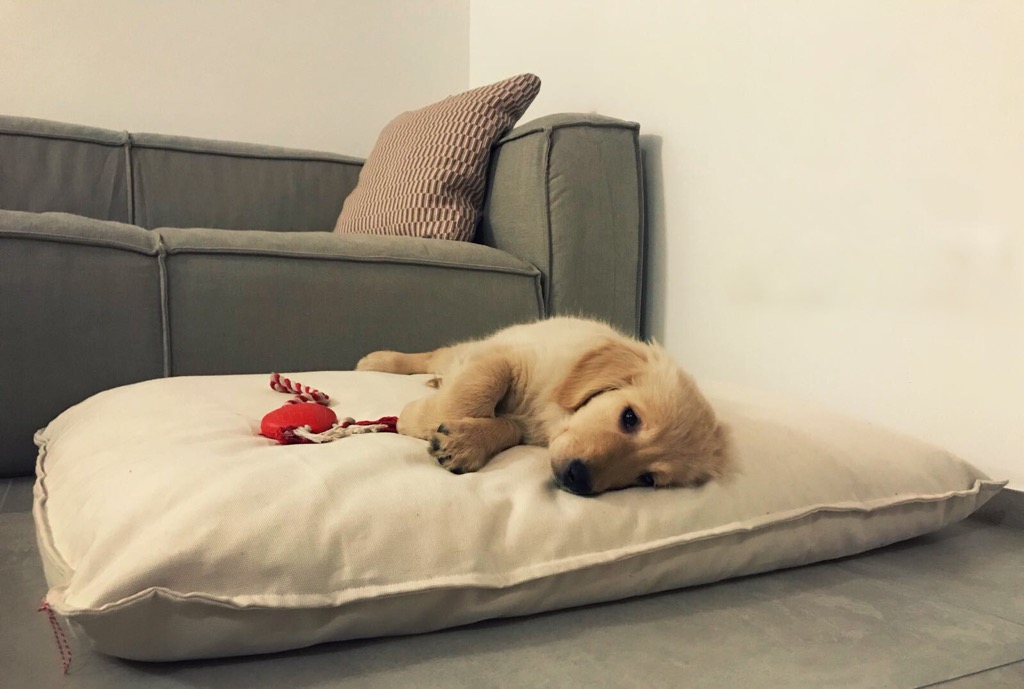
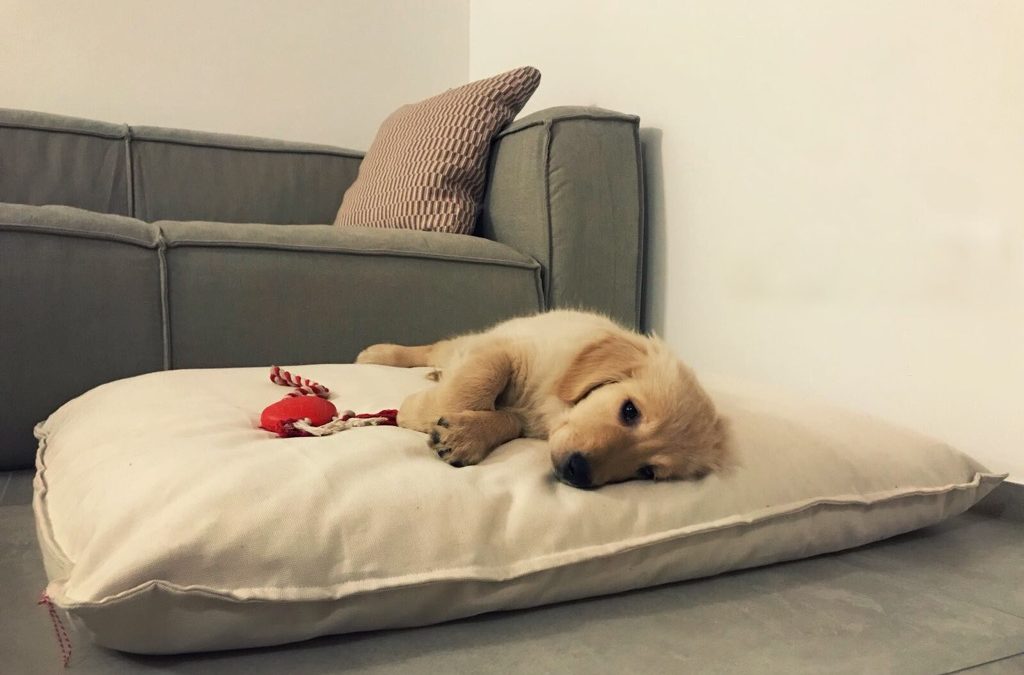
puppy sleeping on a cozy dog cushion from pet-interiors

Finally, a dog is moving in with us!

You’ve finally made the decision: a dog is coming into your family. Naturally, the question arises: Which dog is right for me? We’ve compiled the most important things to consider here.

What should the dog look like?

Everyone knows that looks shouldn’t be the most important thing. Of course, you choose a dog that you like. The selection of dogs is huge. From purebreds to stray dogs, from small to medium to large dogs, with long hair or short hair, from petite dogs to real powerhouses, the variety of dogs is vast.

What is my living situation?

It makes a big difference whether you live in the country or in the city. In the country, the journey to nature is usually quite short, in the city the distance to the nearest park can be long. This is not so important for a quick pee break, but the dog does want to be properly exhausted once a day. It also makes a difference whether you own your own home or an apartment. If you own your home with a garden, you don’t have to rule out any breed. If you live in an apartment, you should first clarify whether keeping a dog is generally permitted.

Once this question has been clarified, the following must be considered: Does your apartment get quite hot in the summer? In this case, heat-sensitive dogs such as pugs or French bulldogs are not suitable. If the apartment is not on the ground floor, you should bear in mind that larger dogs will sooner or later have problems climbing stairs. If the apartment is soundproof, it is in the interest of good neighbors to choose a quiet dog.

Would you prefer a purebred dog or a mixed breed?

Every dog ​​is different, regardless of whether it’s a mixed breed or a purebred. Purebred dogs are often attributed reliable character traits, although dogs from shelters are often the most loyal companions. Purebred dogs bred specifically for hunting (Münsterländer, Retriever, Beagle, etc.) possess strong instincts and characteristics that must be respected.

Life in a family is generally not a problem for hunting dogs if their character traits are taken into account and they are given sufficient exercise and movement. They are generally not suitable as “cuddly dogs,” something that children, in particular, should learn early on. The same applies to herding dogs (Border Collie, Australian Shepherd, etc.). These dog breeds need and want to be occupied and require plenty of exercise.

If the dog is not being used in its field of expertise, care should be taken to provide the dog with targeted exercise. Various dog sports are suitable for this, such as tracking, mantrailing, or working in water. It must be understood that this activity is time-consuming but absolutely necessary.

Which dog size is right for me?

If there are small children in the family, the dog should not be larger than medium. Large dogs can be quite boisterous, so medium or small dogs are better choices. A docile dog is recommended rather than a lively whirlwind. Those who are not so physically fit should also opt for a medium to small dog. Large dogs must be able to be held in an emergency and require more exercise than medium to small breeds.

When choosing a size, consider the possibility of traveling. If you are planning a vacation by plane, only small dogs are allowed in the cabin as hand luggage. If you are traveling by car, there will be enough space for a large dog.

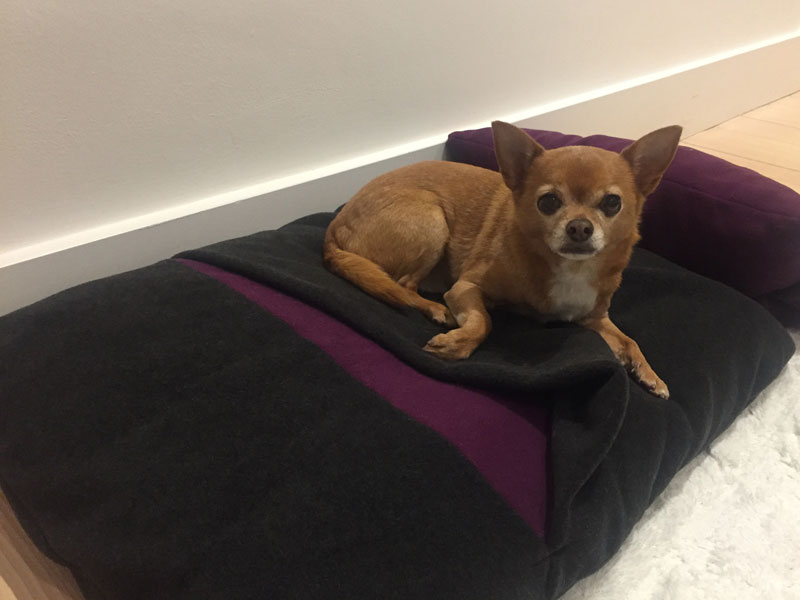
The little Chihuahua lies on the dog cushion from pet-interiors.
The little Chihuahua is considered to be very independent and difficult to train:-)

Puppy or adult dog?

Of course, a young dog is incomparable and heartwarmingly sweet. You shouldn’t underestimate the effort required for proper training. The first few weeks with a puppy are a full-time job. First, you have to learn bladder control, and training until the dog masters all commands is exhausting. Usually, the training of an adult dog is already complete. The staff at an animal shelter are usually quite good at assessing their dogs and will give you good advice accordingly.

How much does a dog cost?

Generally, large dogs are more expensive than small dogs. This is because they eat significantly more, and the equipment (large dog beds, leashes, etc.) is also more expensive. Dog tax is the same for small and large dogs; only listed dogs (fighting dogs) generally have to pay significantly more. Purebred dogs cost an average of between €700 and €1,500 to purchase. Mixed-breed dogs from shelters cost significantly less.

Would you prefer a female or a male?

Gender should also play a role in choosing a dog. Female dogs are considered more affectionate, cuddly, and easier to control. Males are considered more confident, disobedient, and more likely to test their boundaries. Also keep in mind that female dogs go into heat twice a year, and males are more likely to roam.

How much time does my dog need?

If you’re single and work a lot, you should reconsider owning a dog, unless you’re allowed to take it to the office. Of course, dogs will be left alone for a few hours at a time. If you’re concerned about their well-being, someone should be there as often as possible to care for them. Dogs are pack animals and don’t like being alone.

When getting a puppy, keep in mind that a two-week vacation isn’t enough time to complete the settling-in period and training. Small dogs need a lot of time for walks, puppy school, and subsequent dog training. This work can be better distributed within a family.

Would you prefer an active dog or a more relaxed one?

Are you more athletic and active, or do you prefer a more relaxed lifestyle? Your choice of dog should be based on this. A well-exercised dog with plenty of variety at home will be balanced and calm. Labradors, Rhodesian Ridgebacks, and Poodles are suitable for active people. French Bulldogs, Labradoodles, and Basset Hounds are considered calm dogs.

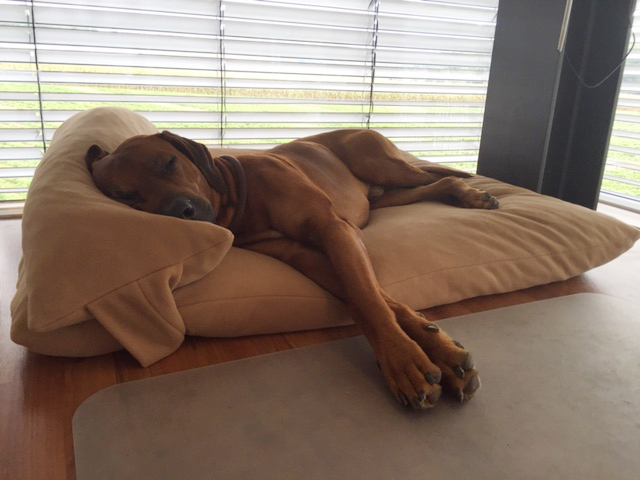
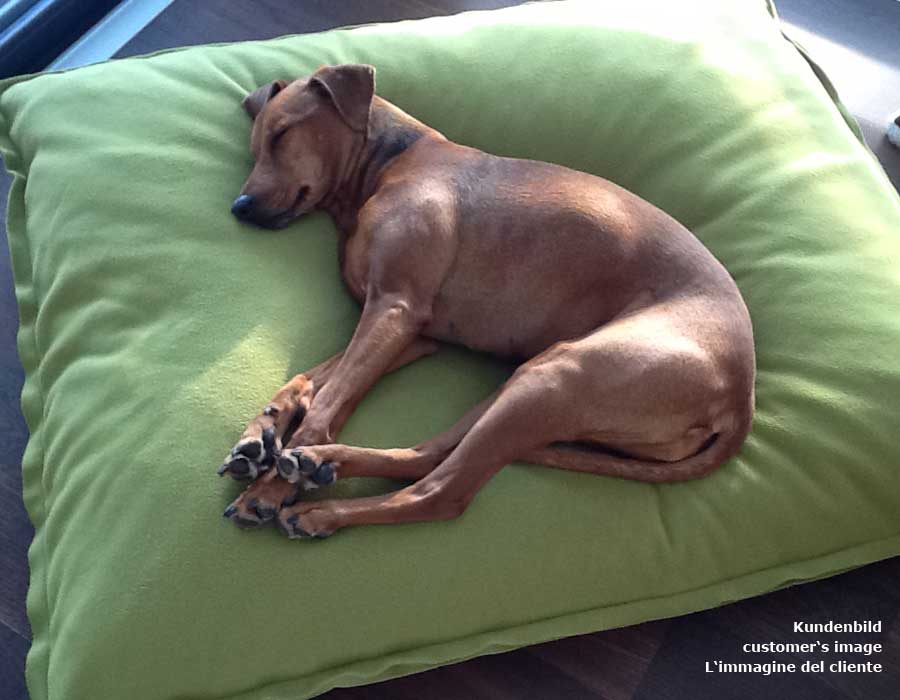
Young Ridgeback sleeps relaxed on his dog cushion with matching pillow from pet-interiors
After a long power walk, even an active dog gets tired.

How much does it cost to educate?

Fundamentally, every dog ​​needs to be trained to become a loyal, unobtrusive, and reliable companion. Intelligent, active dogs like the Border Collie or Australian Shepherd require extremely time-consuming training. Their needs are much more demanding than those of a more modest-natured dog. Anyone who can’t devote this time should look for a more relaxed dog for beginners.

How much care is required?

It’s impossible to generalize here; the amount of care required varies considerably. Short-haired dogs, such as the French Bulldog, are very easy to care for. Brushing them twice a week is sufficient. Wire-haired and rough-haired breeds, such as the Fox Terrier or the Dachshund, require more care. They need to be trimmed every few months, and more frequent brushing is required during the shedding season. Long-haired dogs require the most care, especially if they have a large undercoat. Regular brushing is essential to prevent matting.

What do I do if I have a dog allergy?

If you’re allergic to dog hair, you don’t have to give up hope of getting a four-legged friend. There are breeds that are well-suited to allergy sufferers. I’ll cover this topic in detail in one of my upcoming posts, “Dogs for allergy sufferers – which breeds are suitable?

Which cat is best suited to me?

tabby domestic cat in portrait

House cat Gisela is a typical shelter cat.

The decision has been made: a cat should enrich our lives and move in. But which cat breed is best suited to me? Each breed has different personality traits and needs. It’s important to carefully consider what conditions I can offer a cat. What do I expect from living with my new roommate? Because one thing is clear: not every cat breed is right for everyone.

Before your house cat moves in with you, you should consider whether you can meet the needs of the particular cat breed. Some breeds are very independent and freedom-loving, while others are calm and happy as indoor cats. Also, think carefully about what type of cat you’re actually looking for.


Answering these questions honestly will help you narrow down the cat breeds that are right for you.

How much space do I have?

If you live in a city apartment without a balcony or garden, quiet, people-oriented breeds such as the Ragdoll or Bombay are suitable. These are relatively quiet indoor cats with smooth and elegant movements. They are considered friendly, even-tempered, curious, and affectionate. They can follow people everywhere and are well-suited to children.

Ragdolls - cat race

Ragdolls are very people-oriented and are well suited to a city apartment.

Can I offer my cat free access?

If you can allow your cat to roam freely, a Norwegian Forest Cat, a European Shorthair, or a traditional domestic cat is more suitable. These active and freedom-loving animals love to roam in the garden and outdoors and lead an independent cat life. They have a great temperament and retain their playful nature well into old age.

How much time do I have and how much of it do I spend at home?

Many cats enjoy being in company and hate being alone. If no one in your household is at home all day to talk to, it’s advisable to keep a second or more cats. The Siamese or Balinese prefers to spend time with its feeder rather than with other cats. This breed of cat is very affectionate and reluctant to share attention with other creatures. They are strong-willed and assertive. They must be able to devote plenty of time to care and attention. Grooming long-haired cats like the Persian is just as time-consuming. Daily, thorough grooming is necessary and time-consuming.

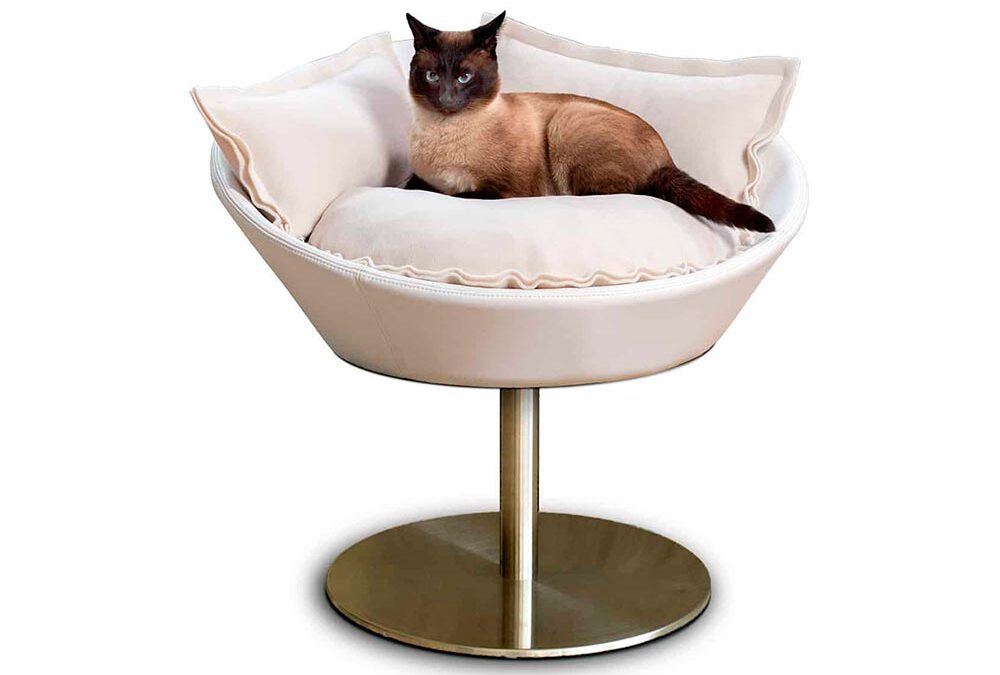
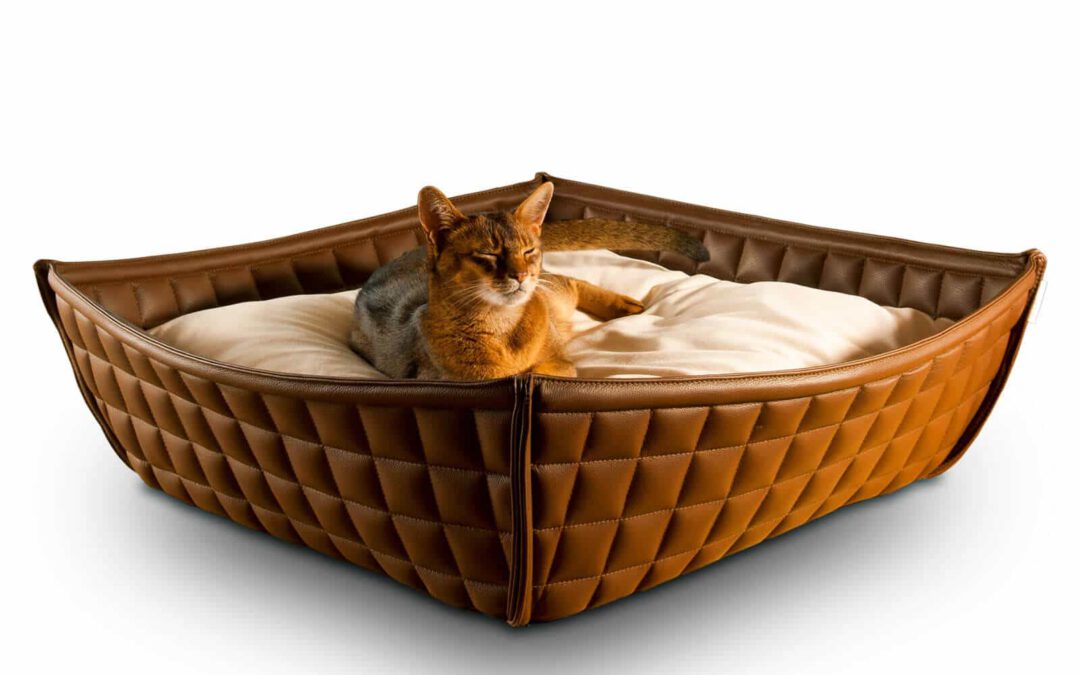
Siamese cats with designer bed from pet.interiors

Siamese cats are considered to be entertaining cats and enjoy talking to their owners.

Which character trait is important?

The decision should definitely not be based on appearance, but rather on the personality traits the new pet brings to the table. A lively and adaptable breed like the Selkirk Rex, Ocicat, or Singapura thrives in a lively family. If you lead a quiet, stress-free, and structured life, the Korat, Snowshoe, and Nebelung are the right companions.

How much experience do I have with cats?

If you’re new to cats, you should choose a sociable breed like the German Angora or the Raga Muffin. In that case, it’s not advisable to choose a Balinese or Russian Blue. These breeds are considered stubborn and not suitable for beginners.

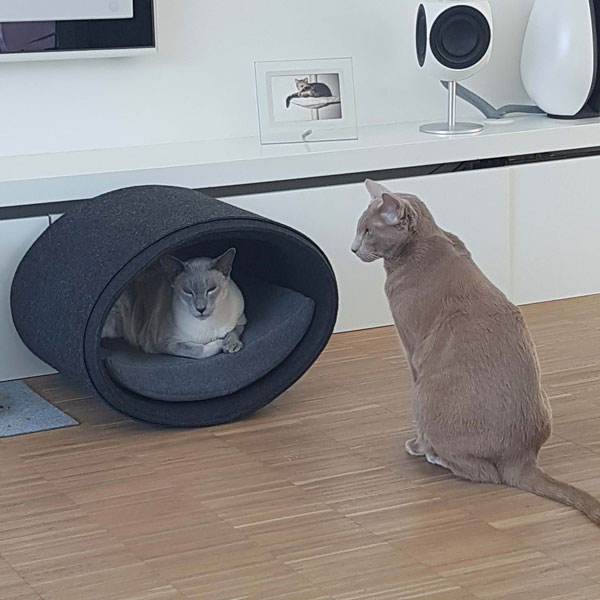
Purebred Russian Blue cat in designer cat basket | pet.interiors

The Russian Blue cat is not a good choice as a beginner’s cat.

How much communication is possible with a cat?

You should also consider whether you want a cat that communicates with you. A Siamese or Sokoke is considered quite talkative. If you’re bothered by constant meowing and whining, you might want to opt for a quiet Devon Rex or Siberian cat.

Domestic cat or would you prefer a pedigree cat?

Domestic cats are considered to be healthy and less susceptible to disease. The selection of colors and patterns is large and varied. When you give a new home to a feline from a shelter, you’re also doing a good deed. There are countless domestic cats, including kittens, waiting in shelters for their beloved pet. Domestic cats generally have a strong desire for freedom, which they enjoy pursuing in a garden or in nature.

Pedigree cats, on the other hand, require more care and are more susceptible to breed-specific illnesses. It’s all the more easy to assess their character traits before purchasing. A breeder must be chosen carefully to avoid falling victim to a seller who engages in illegal breeding or unscrupulous breeding.


House cat Fynn with beautiful markings

Fynn is a beautiful house cat with great markings.

If everything is right, then living together will be great!

Consider all important factors such as space, time, environment, temperament, and noise level. It won’t be easy, but it will be worth it. A temperamental cat in a much too small apartment, or a reserved animal in a noisy extended family, won’t be happy. Cats can react aggressively or apathetically to the wrong living conditions, which in turn makes the cat owner unhappy.

A well-considered choice of cat that perfectly fits your living situation will enrich your life indescribably. They will quickly become very good friends and remain so for life.

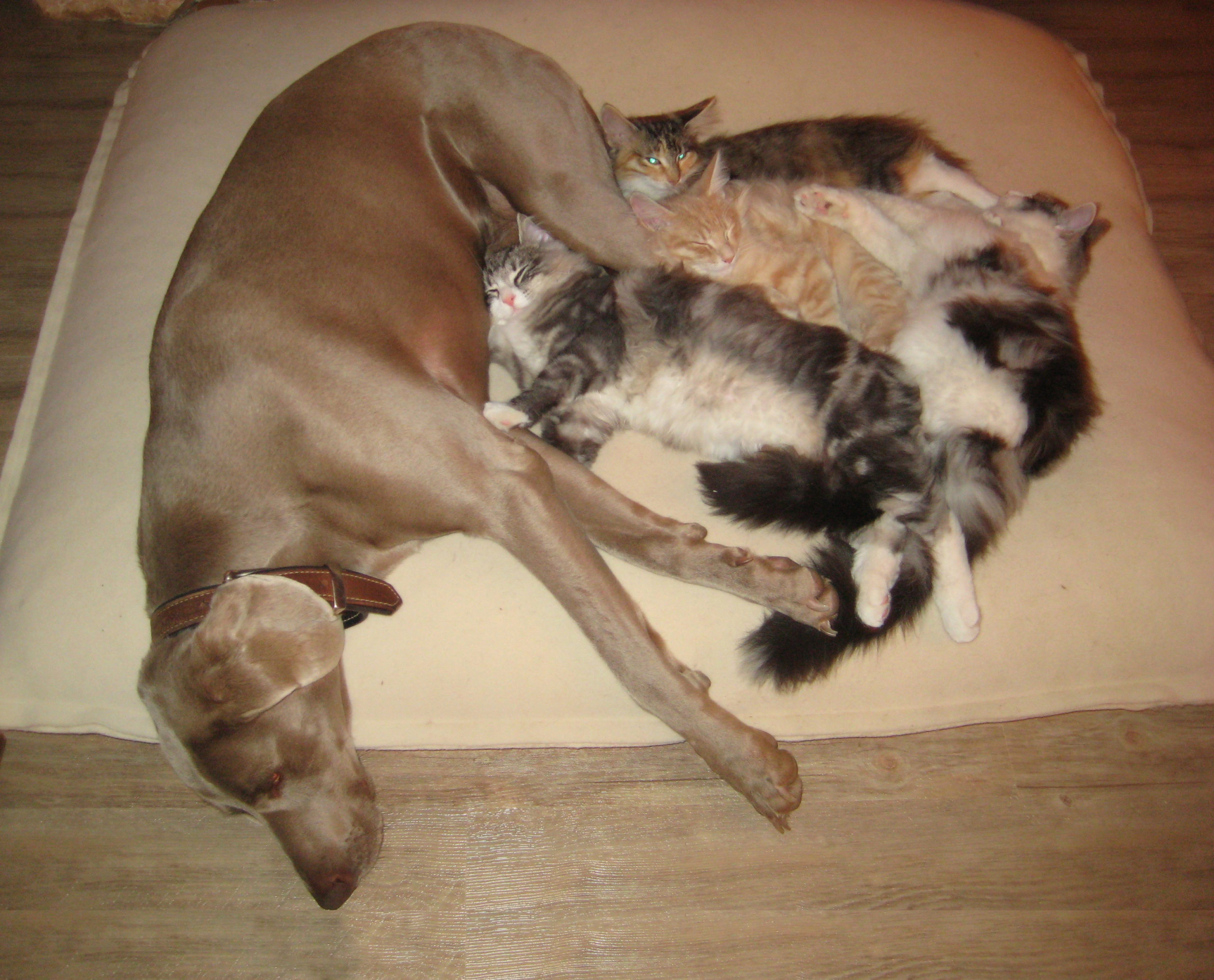
Weimaraner with Norwegian Forest Cats

If everything is correct, they can even live together with Weimaraners and Norwegian Forest Cats.

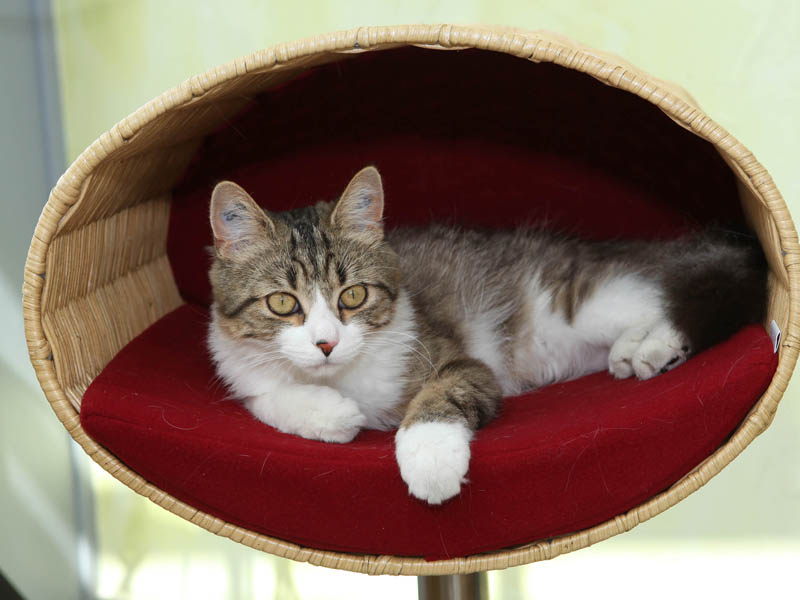
What is a good cat basket?

What is a good cat basket?

As cats sleep up to 16 hours a day, the cat basket should be an ideal place for your cat to sleep and retreat. That’s why it’s important to pay attention to good features and criteria when buying. …

Paw Care for Your Dog

Paw care for dogs

Paw care for dogs

The cold season is just around the corner, and paw care for your dog is especially important. Unfortunately, we don’t only have the opportunity to spend time with our dogs in freshly snow-covered forests and fields. For shorter walks, we have to take them on sidewalks treated with loose gravel and road salt.

Dog paw health is a year-round concern. In winter, wetness, road salt, grit, ice, and frost take their toll on dog paws. Road salt and grit particularly damage the skin between the toes. In the hot season, dogs are particularly affected by overheated tar, coarse asphalt, thorns, glass splinters, grain awns, and grass seeds.

With the right care for their sensitive paws, your four-legged friend can enjoy every season without worry.

Ideally, your dog has been accustomed to paw care since puppyhood. This should definitely take place in a relaxed atmosphere. Most dogs love having their paws massaged, especially since your pet will quickly notice how good this procedure is for them. Make paw care a shared ritual with your dog; it will strengthen your bond.

If the pads are regularly rubbed with paw ointment, especially in winter, the oil forms a protective film against moisture, unpleasant grit, and heat. This keeps the paws soft and preserves the natural protective film.

For long-haired dogs, it is important to have the fur between the toes trimmed by a professional. This will prevent ice, grit, or grass seeds from accumulating. Comprehensive paw care also includes nail care, which should also only be performed by a professional.

Is your furry friend licking or nibbling their paws noticeably often, protecting one paw, or perhaps limping? These are clear symptoms of problems with your dog’s paws. To prevent this from happening, care should begin before the walk.

After a walk, especially in winter, it’s recommended to wash the paws with warm, clean water. This removes any foreign matter. Then, thoroughly dry the paws and massage Vaseline, lanolin, hish tallow, or a special paw protection ointment into the paws.

Some dogs begin to lick their paws after applying the cream. To keep the dog occupied until the cream is absorbed, you can give him a chew bone.

Homemade nourishing paw balm?
… no problem 😉


You need the following ingredients:

  • 2 tablespoons olive oil
  • 2 tablespoons shea butter
  • 2 tablespoons beeswax
  • 2 tablespoons coconut oil
  • 2 tablespoons almond oil
  • If desired, add a few drops of lavender essential oil.

Preparation

  • Combine all ingredients except the shea butter in a tall bowl or glass jar. Melt slowly in a double boiler over medium heat.

  • Once all ingredients are melted, remove the bowl from the boiler and add the shea butter.

  • Mix everything well and pour the balm into a screw-top jar. The paw balm will harden completely there.

The dog’s sleeping behavior

Sleeping dog with pillow on the divan

Nothing is more calming than watching your dog sleep. Observing his sleeping habits, how relaxed he is lying in front of you and wondering what he is dreaming about. How many photos do you have on your phone of your dog lying deeply relaxed on his bed? Have you ever thought about why he sleeps on his stomach, back or side? And what these sleeping positions say about your dog?

We have put together a few things here; we wanted to know how dogs sleep, what sleeping position do they like and do dogs actually dream?

The different sleeping and lying positions for dogs.

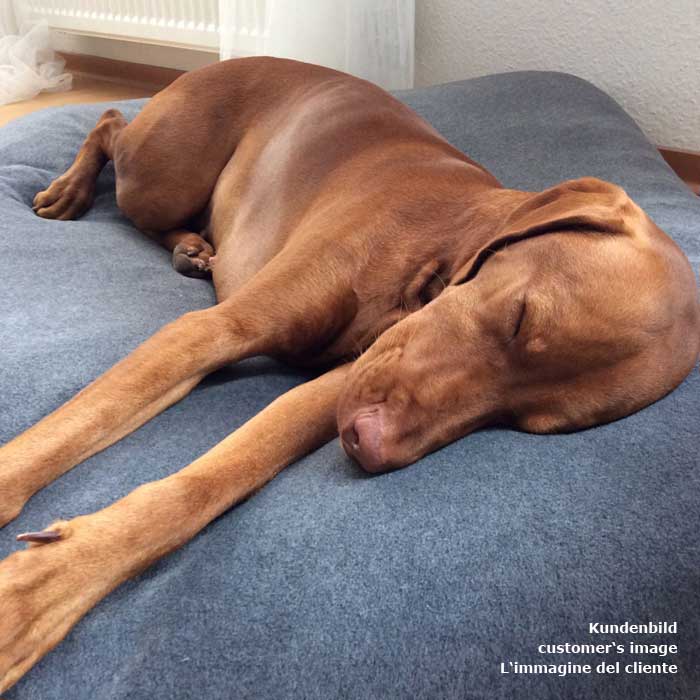
The side sleeper

The side sleeping position exudes a lot of calm and serenity. Many dogs love this position. They feel very comfortable and completely at home in their surroundings. Dogs also like to use this sleeping behavior in the summer to cool down on the cool ground after sunbathing, playing or romping.

Sleeping behavior of the dog - side sleeper

Side sleeper position: The dog lies very relaxed on his dog cushion and radiates calmness.

The Fox Roll

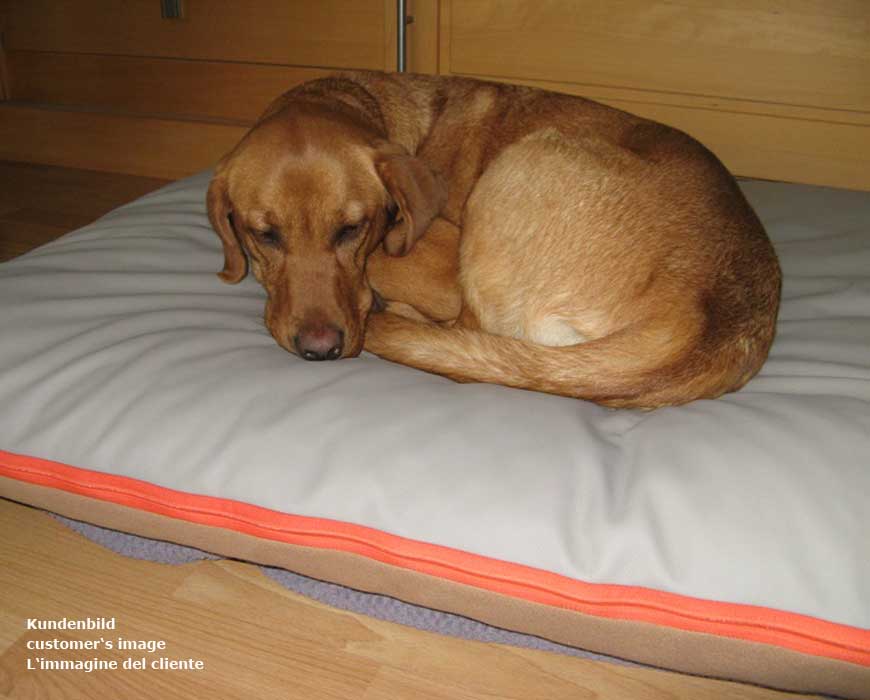
This sleeping position is popular with dogs. They lie curled up on their stomachs, with their snout above or below the base of their tail. This position is adopted when the chosen sleeping place is not very big. It is also used when the dog wants to be particularly cozy and when the surroundings are not very warm. When sleeping in this position, the dog naturally protects its body, face, neck and internal organs.

Sleeping behavior of the dog - fox roll

Fox roll position: The dog lies curled up on its stomach.

The stomach sleeper

This is a popular sleeping behavior when dozing. They do not fall into the absolute deep sleep phase. The dog wants to rest, not sleep, and just rustle around a little. The dog usually positions its legs to the side of its body. It can then jump up immediately, full of energy and adventurously ready for fun and action.

Sleeping behavior of the dog - stomach sleeper

The stomach sleeper position is a popular sleeping position for dozing.

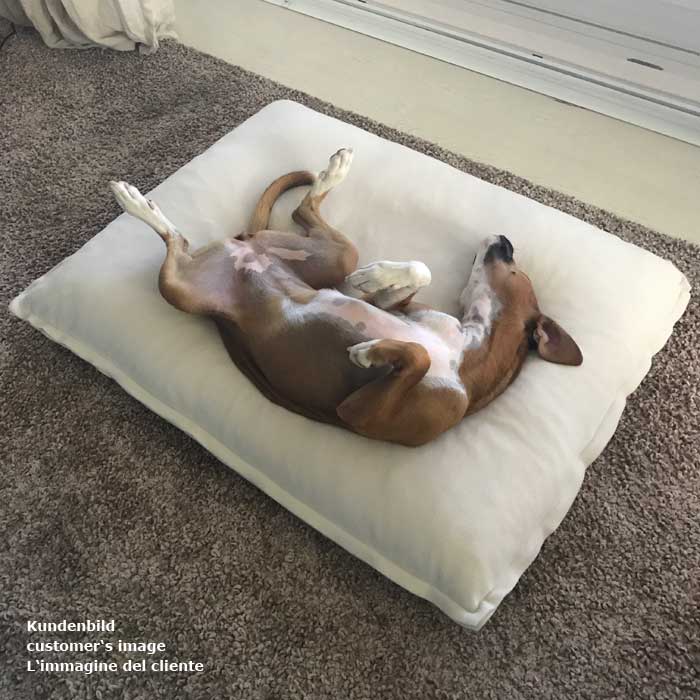
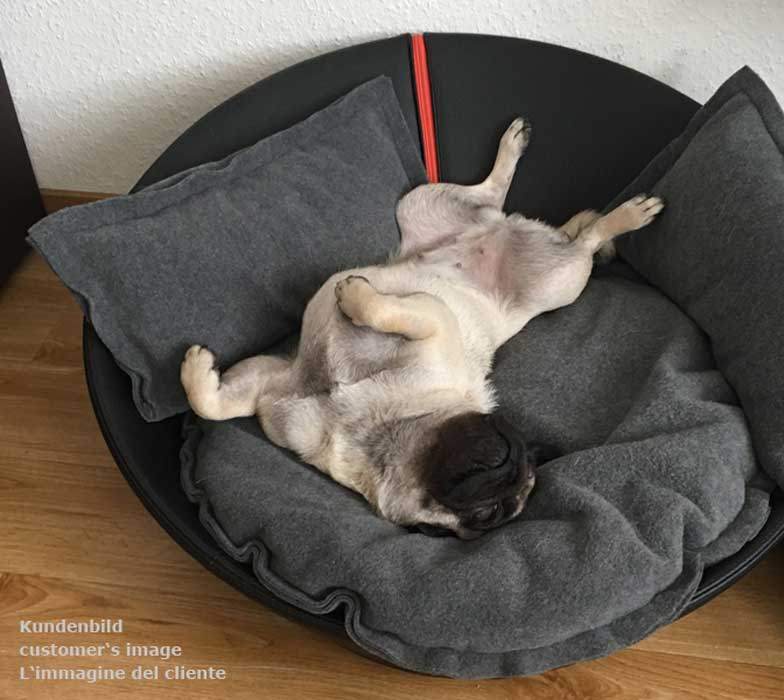
The back sleeper

In order to sleep in this position, your dog must be deeply relaxed and have absolute trust in its surroundings. This sleeping behavior is only seen in the deep sleep phase and in very young dogs. A fearful, insecure or traumatized dog will certainly not adopt this sleeping position. We now know that a dog’s sleeping position depends on its condition and environment. So what should we consider when it comes to its sleeping and lying place?

Dog's sleeping behavior - back sleeper

Back sleeping position: To be able to sleep in this position, the dog must be deeply relaxed.

The dog’s sleeping and lying place

Dogs love a pleasant and comfortable place to sleep. The place where the dog lies is pleasant if it is protected from drafts and cold ground. The dog also loves its sleeping place to be protected and preferably with back protection. When it retreats to sleep, your four-legged friend wants to feel safe and well looked after. The dog finds its sleeping place pleasant if it is comfortable. It should not be too hard and not too soft, but preferably a little higher. Of course, the dog always wants and should be with its pack of family. But especially in families with small children or where there is a certain amount of unrest, the position of the sleeping place is of great importance and has a big influence on its sleeping behavior. Find your dog a place a little away from the hustle and bustle. You will be surprised how often it chooses this place to sleep.

Comfortable dog basket in exclusive design-pet.interiors

Dogs love a comfortable place to sleep, preferably with back support.

Sleeping and dozing of the dog

Dogs doze most of the day. They need a lot more sleep than humans and take lots of little naps throughout the day. The need for rest varies from dog to dog. If your dog takes a little nap, he really doesn’t want to be disturbed and expects us humans to respect that. Your home should be a place for your dog to rest, a stress-free and judgment-free zone. Play, fun and excitement should only take place outside of your house. If dogs can trust that nothing particularly exciting is happening in the house, they fall into a light sleep more quickly. As soon as the dog’s eyes are closed, the nose and ears take over. If you then give him the rest he needs, he will feel safe and undisturbed and will fall into a deep sleep phase within a short time. This deep sleep phase accounts for 20-30% of the total sleep time for an adult dog. This means that your dog needs 5-8 hours of deep sleep, the rest of the sleeping time between 10-20 hours is reserved for dozing, snoozing and relaxing.

Comfortable dog cushion in exclusive design-pet.interiors

The place where the dog can lie down should be comfortable and pleasant.

Do dogs dream?

From what we know to date, dogs dream. If you watch your dog sleeping, you can easily recognize the REM (Rapid Eye Movement) phases. The dog’s eyes move quickly back and forth under closed eyelids. The dog is lying in front of you in a deeply relaxed state, its paws twitch and the dog appears to be walking or running. The jaw moves up and down, the lips tremble and the ears move quickly back and forth or twitch. What your dog dreams about will remain a secret. If the dream phase becomes too intense, you can wake your darling very gently. Don’t let your dog have bad dreams and be trapped in a nightmare.

Bake your own dog biscuits

Bake your own dog biscuits

Your four-legged friend will love these healthy dog ​​biscuits. Since you prepare all the ingredients yourself, you know exactly what’s in the biscuits and what your dog is consuming. …